
3D PRINTING OF FEMORAL BONE
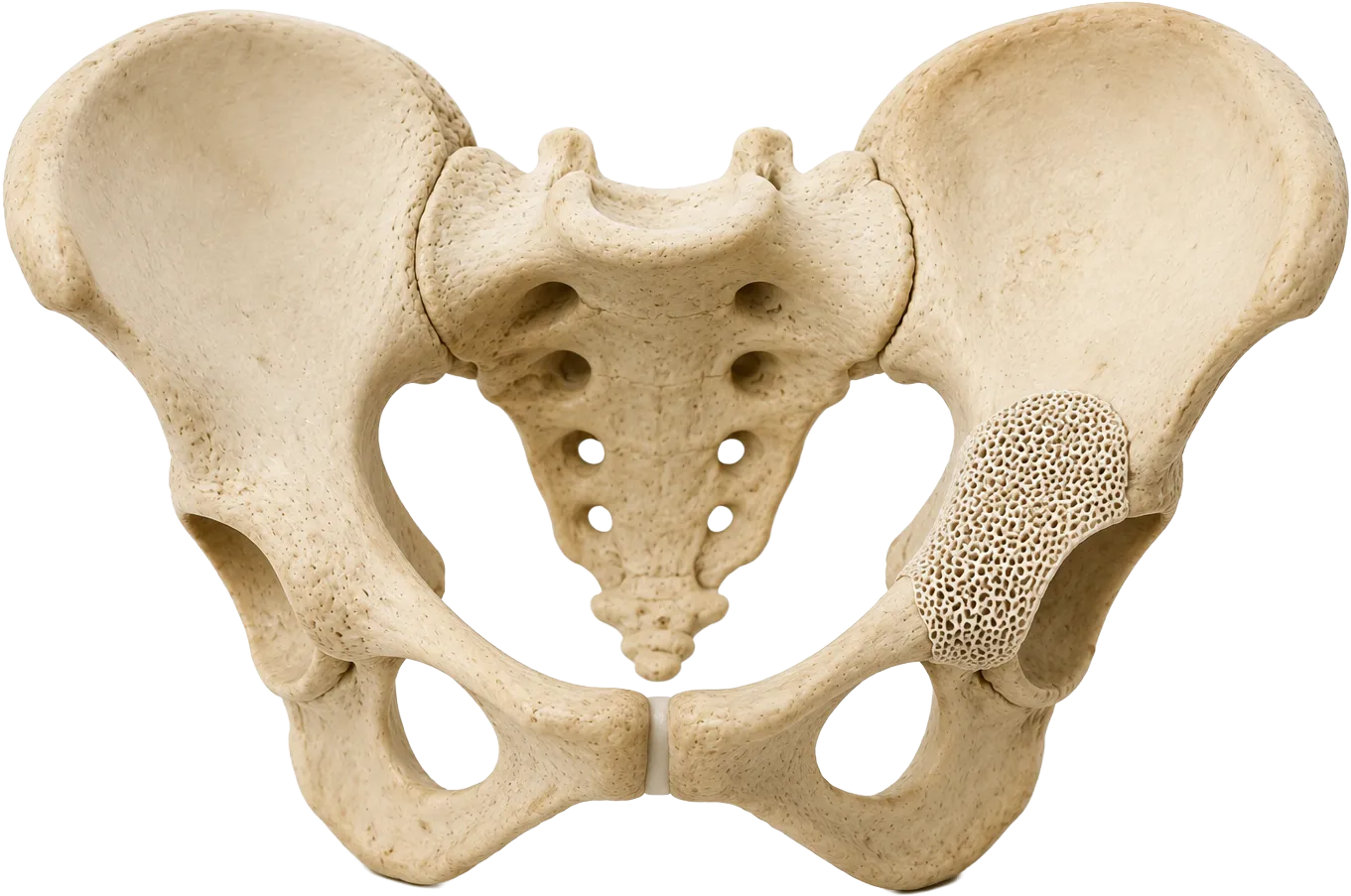
3D printing of the femoral bone is a solution that changes the approach to treating injuries and recovering from complex surgeries. Instead of universal implants that don’t always fit, the patient receives an individual solution created specifically for their anatomy.
How does it work? The doctor takes MRI or CT scans, engineers use them to create a digital 3D model, and then the implant is printed on modern equipment using biocompatible polymers. In just 24–48 hours the product is ready for use. The surgeon receives a sterile implant with all documentation, and the patient — a chance to return to normal life sooner.
For the patient, this means less pain, less waiting and more confidence in the outcome. For the surgeon — a simpler procedure, precision and a predictable result. That is why 3D printing of bone implants of the femoral bone is becoming a new standard in traumatology and reconstructive medicine.
KEY ADVANTAGES:
The modern approach to treatment is based on precision and speed. 3D printing allows the surgeon to receive a ready implant that replicates the patient’s anatomy, while the patient can shorten recovery time and avoid unnecessary risks. This solution minimizes unpredictability during surgery and makes the outcome more predictable.
It is also important that the technology reduces the burden on the patient after the procedure. Thanks to the precise fit to bone structures, the implant integrates better, reduces pain and shortens the rehabilitation period. For the surgeon this means a simpler process; for the patient — a quick return to an active life.

Manufacturing Speed
Only 48 hours
Personalized Approach
Tailored for each patient

Biomaterials
Replaced by bone tissue
No Repeat Surgeries
No additional procedures required
ADDITIONAL ADVANTAGES:
Thus, 3D printing in surgery is not merely a way to manufacture a new part. It is an opportunity for the patient to quickly receive a reliable and safe solution, and for the surgeon — a tool that makes their work more precise and controlled.
STAGES OF 3D PRINTING OF FEMORAL BONE
The process may seem complex at first glance. In fact, it consists of clear steps that ensure safety, precision and a fast result.
As a result, the patient receives a personalized solution that shortens the recovery period and makes the surgery less risky.
The entire process takes only a few days, making 3D printing of bone implants of the femoral bone a fast and modern method of treatment.
INDICATIONS
Not every case requires an individual solution, but there are situations where only 3D printing of the femoral bone can achieve a predictable outcome. These are the cases where standard implants fail or pose excessively high risks for the patient.
The technology is particularly valuable for complex injuries and oncological interventions. When a missing bone fragment needs to be restored or the correct shape must be provided after resection, a custom implant becomes the only effective solution.
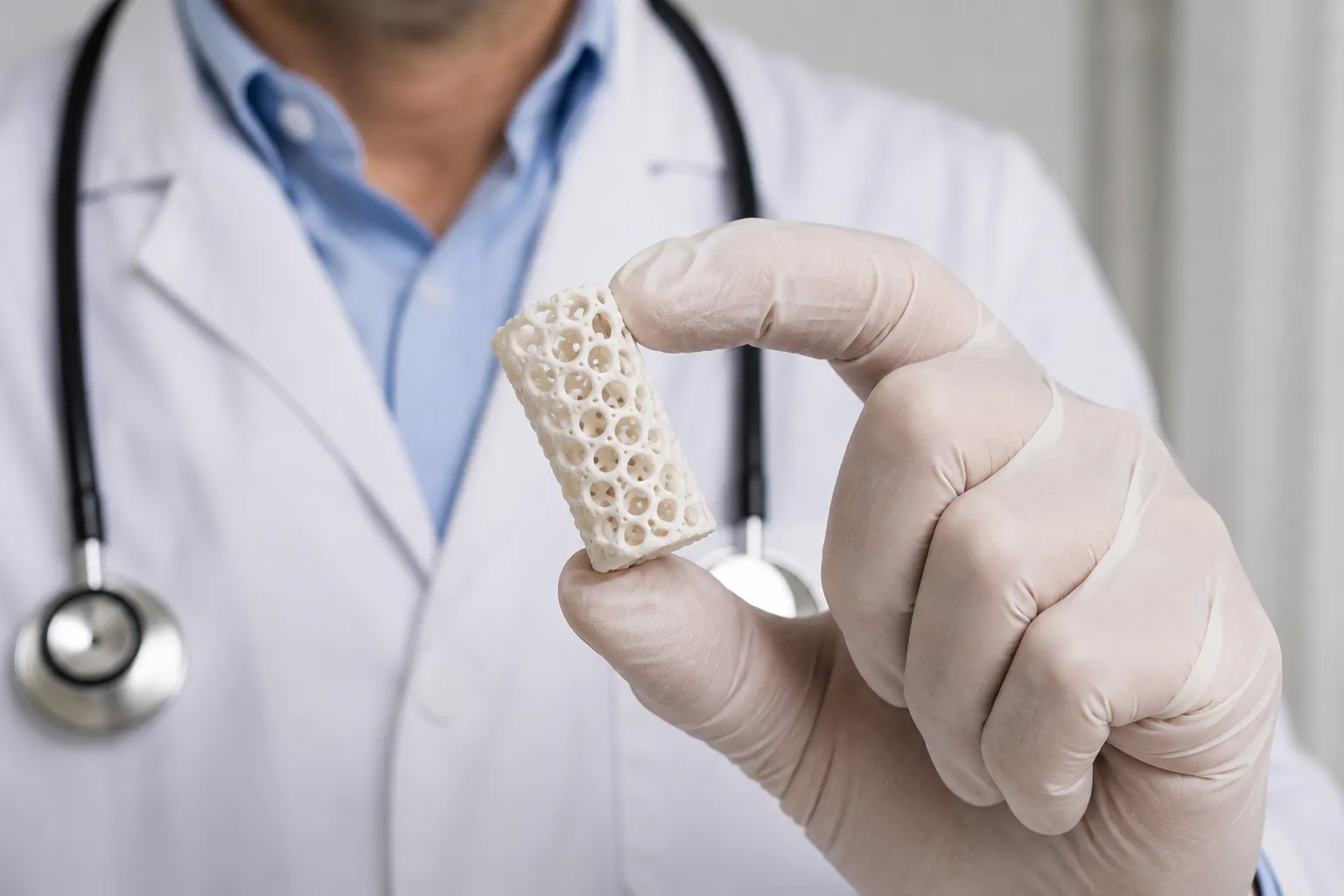
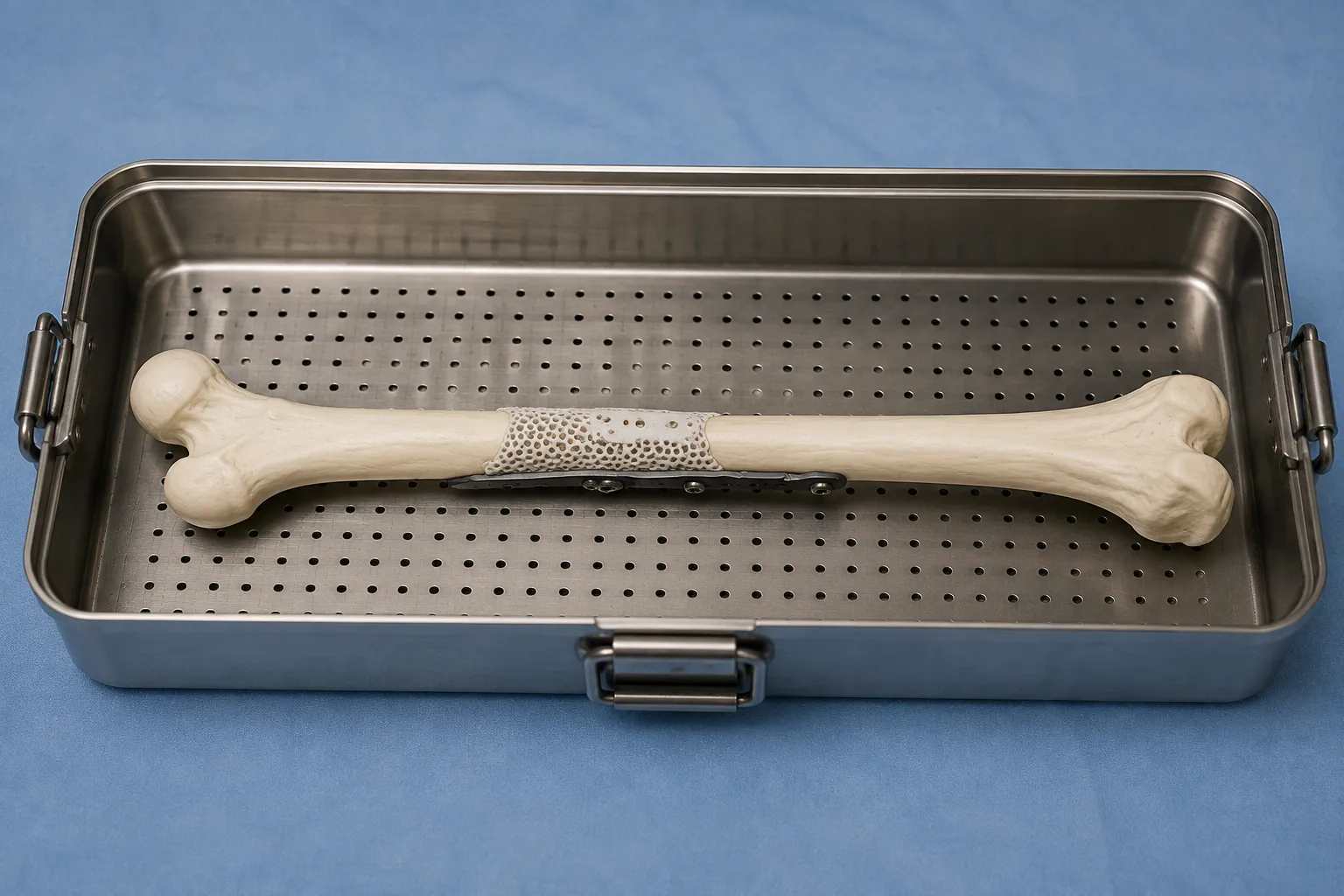
In clinical practice, these situations may include:
- injuries from road accidents or falls with significant bone tissue loss;
- recovery after tumour removal in the hip or pelvic area;
- correction of congenital developmental abnormalities that impair normal gait;
- complicated bone fusion following previous unsuccessful surgeries;
- cases where rapid implant production is critical to performing surgery on time.
Thanks to the individual approach, the implant replicates the shape, strength and even the microdetails of the bone. This gives the patient a better chance of regaining mobility and reduces the risk of repeat interventions in the future.
CONTRAINDICATIONS
The technology of 3D printing of the femoral bone opens up great possibilities, but it cannot always be applied. The success of the surgery depends not only on the quality of the implant but also on the patient’s overall condition. That is why, before starting treatment, the surgeon assesses all factors that may affect safety.
Limitations arise when the body is not ready for intervention: during active inflammatory processes in the surgical area, severe cardiovascular or respiratory diseases, and also in situations where bone tissue is still forming. In rare cases, individual sensitivity to materials may be a factor.
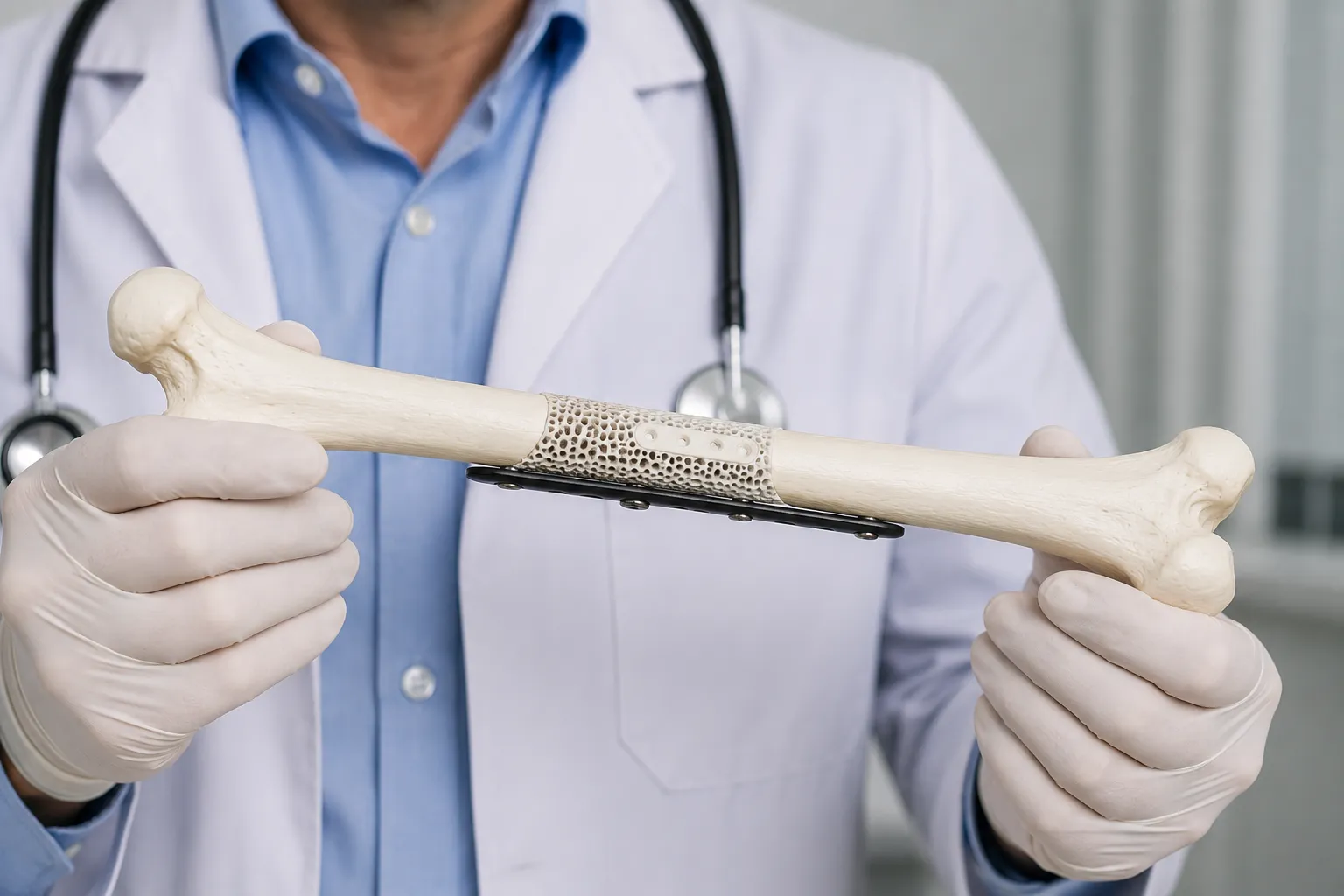
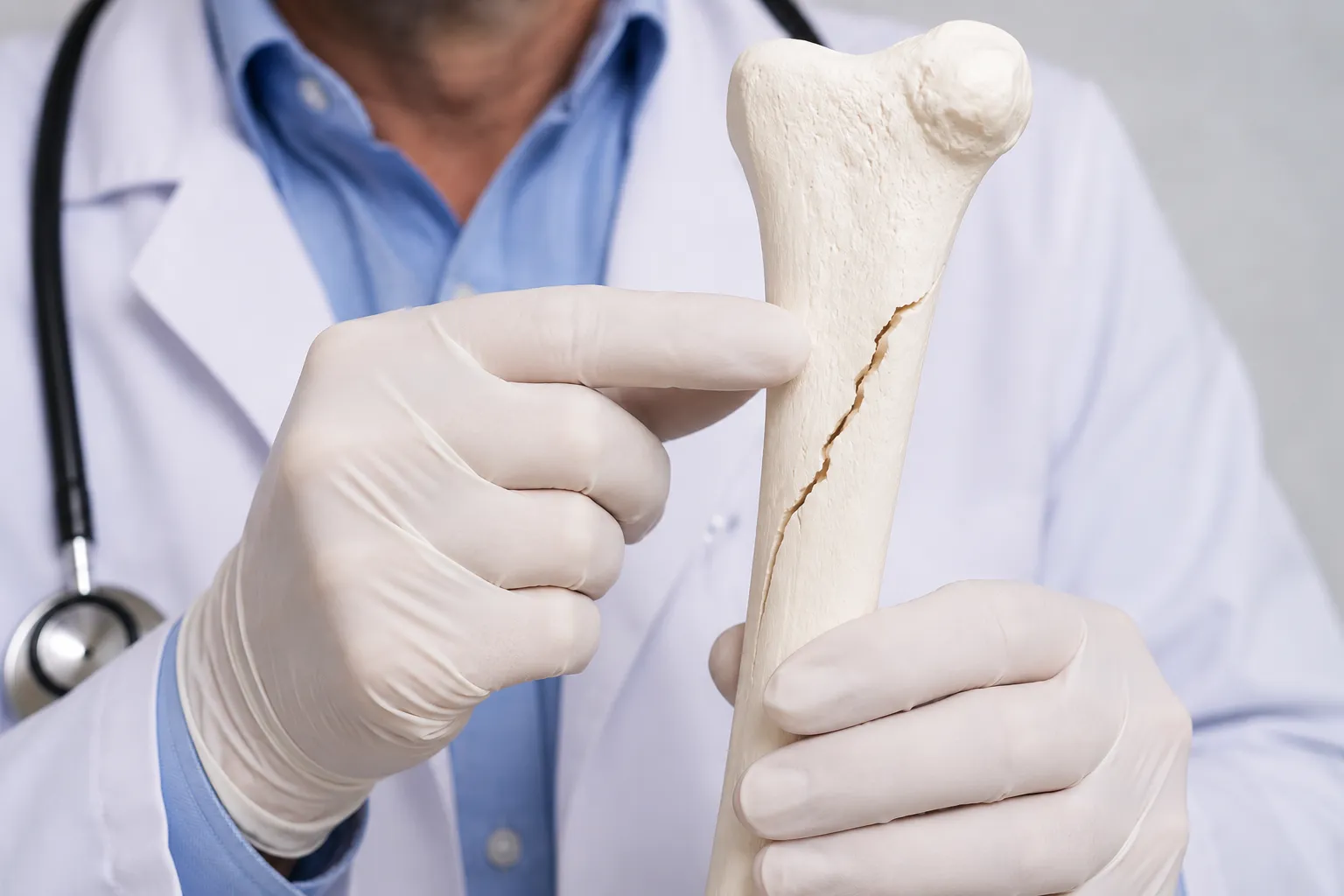
The main contraindications are as follows:
- acute infections or inflammation in the area of intervention;
- severe systemic diseases making surgery risky;
- intolerance to individual components of the implant;
- paediatric age with incomplete growth of the skeletal system.
In each case, the final decision is made by the surgeon following comprehensive diagnostics. This approach ensures that the safest and most effective treatment method is selected for the patient.
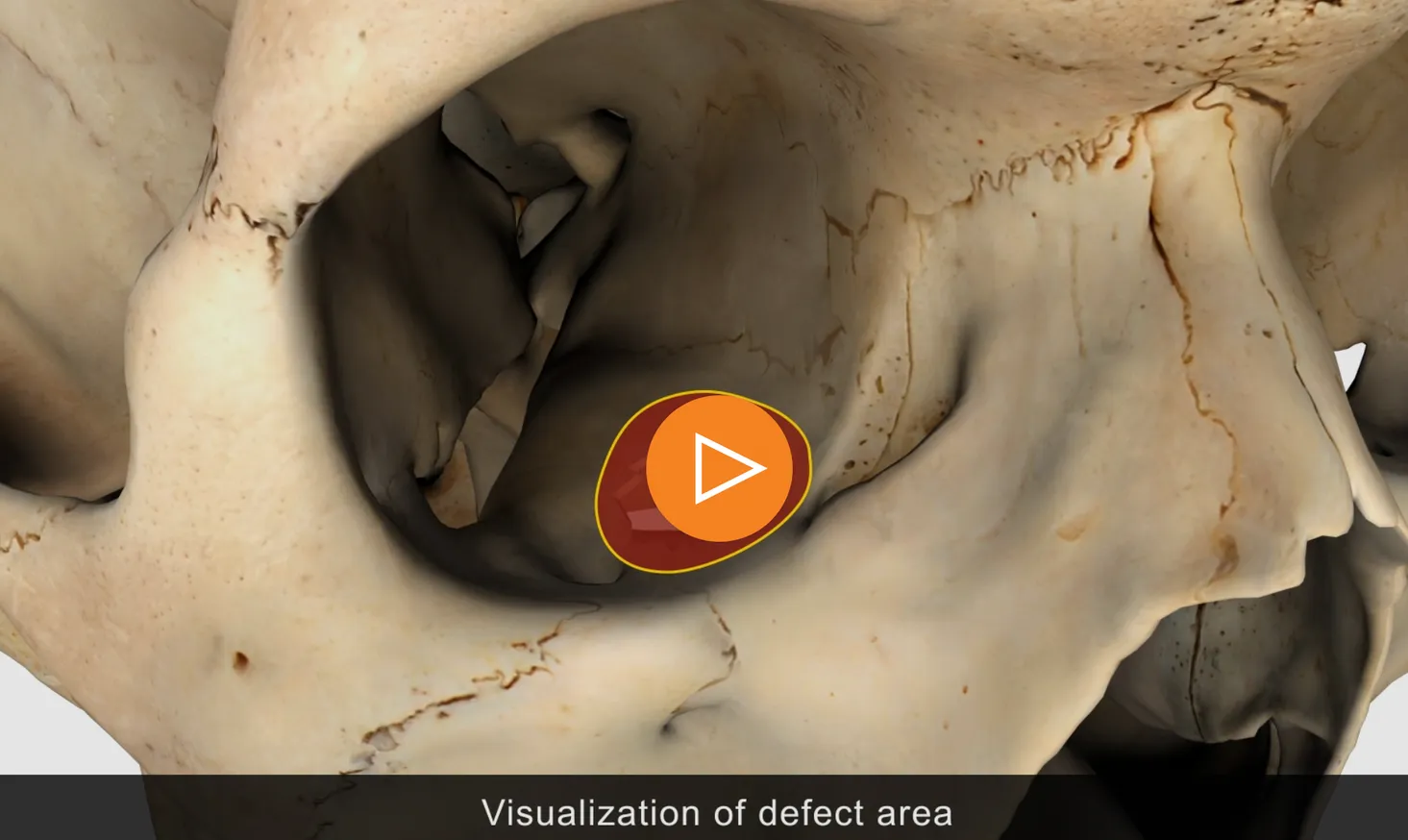
Analysis of the fit accuracy of a custom Groningen temporomandibular joint (TMJ)
prosthesis
Read the article and watch the surgical video.
RECOMMENDATIONS FOR YOU
Discover our best solutions in medical 3D printing, designed to enhance precision, efficiency and treatment quality. From anatomical models to custom surgical guides — our products are trusted by medical professionals worldwide.
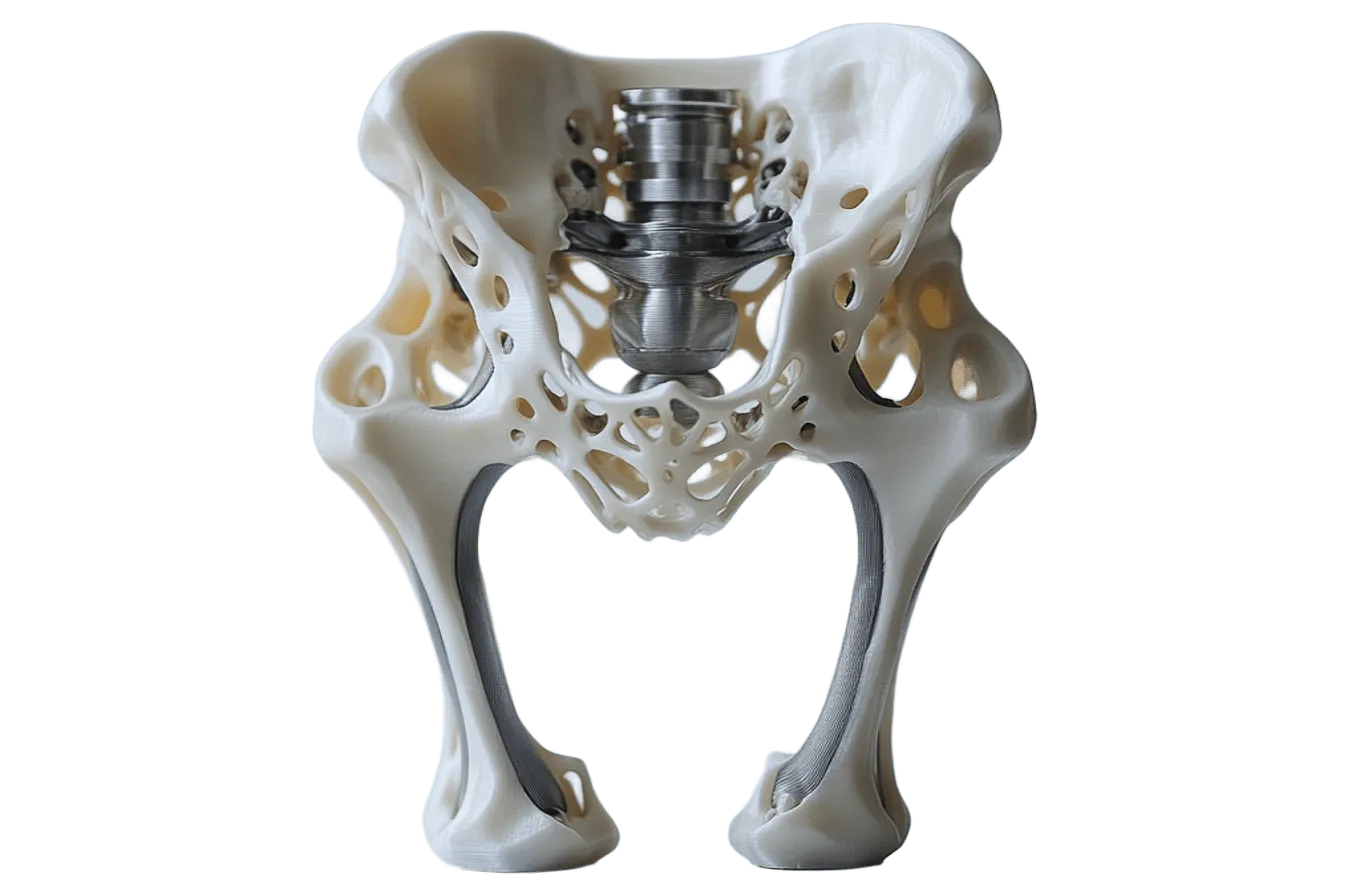
3D Printing of Femoral Bone
Product Name →
Product Name
Product Name →
Product Name
Product Name →
Product Name
Product Name →ACCOMPANYING DOCUMENTS
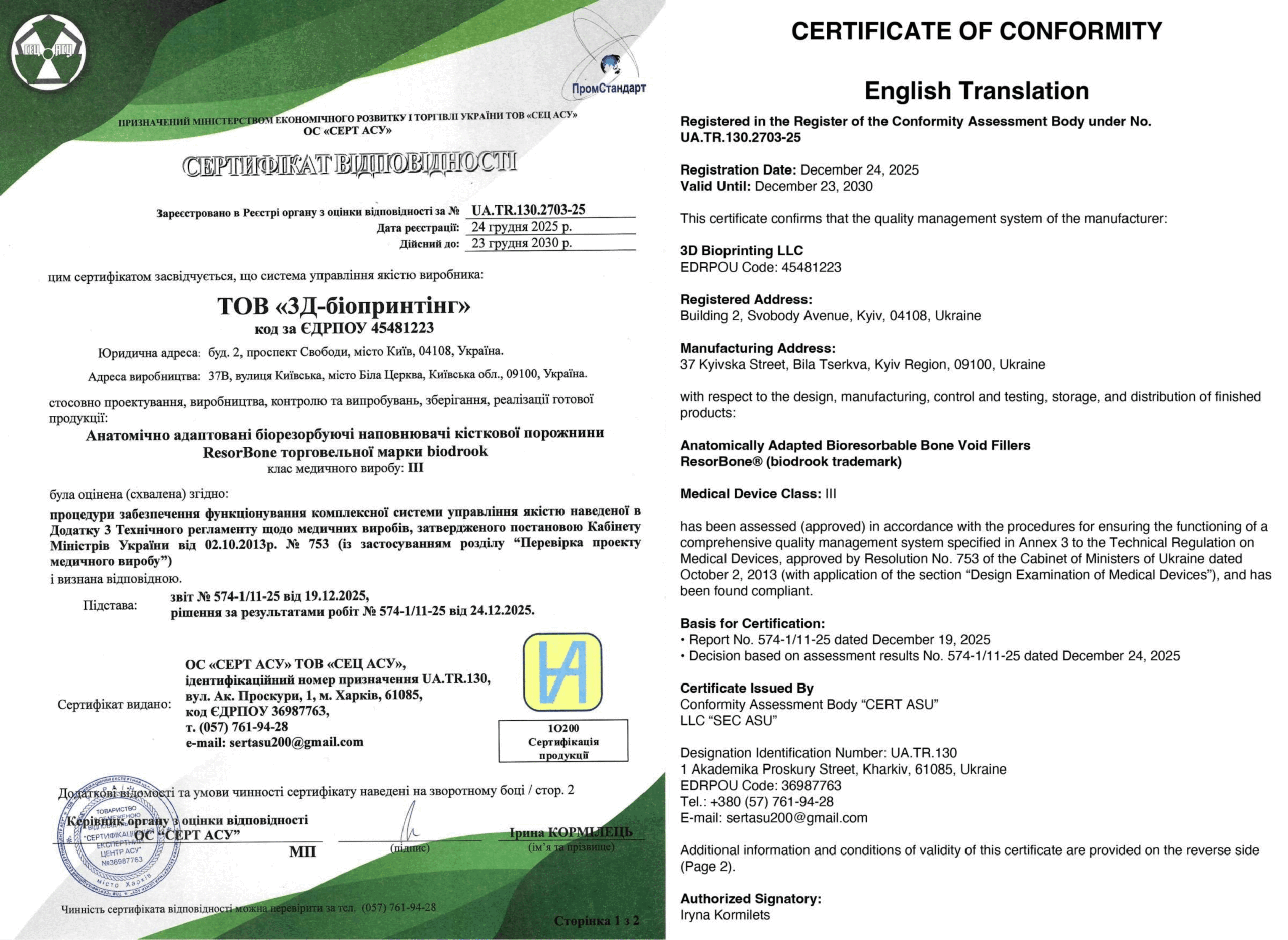
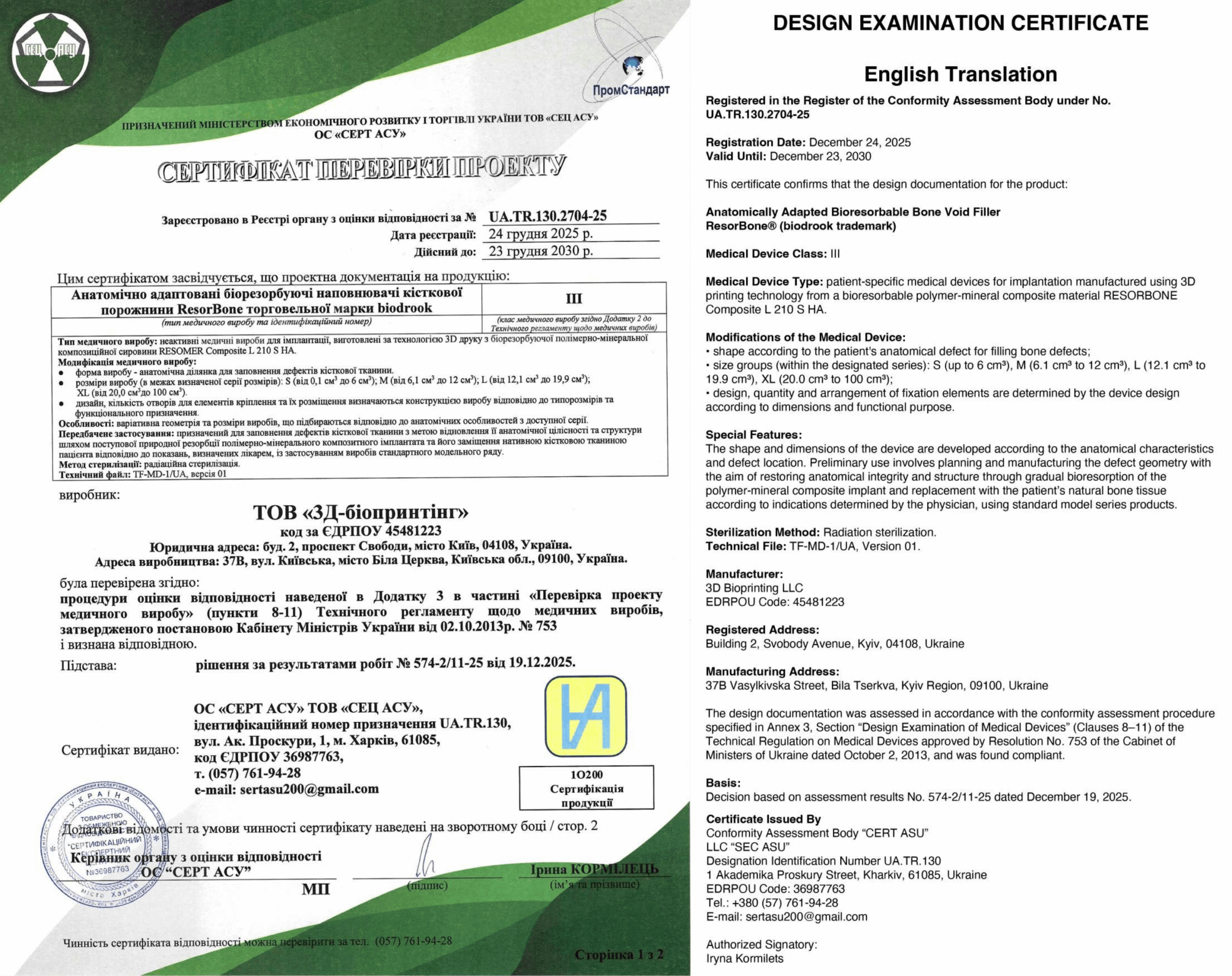
SCIENTIFIC SOURCES
Advances in 3D Printing of Surgical Guides
A detailed study of the accuracy and efficiency of 3D-printed guides in orthopedic surgery.
Learn more →Advances in 3D Printing of Surgical Guides
A detailed study of the accuracy and efficiency of 3D-printed guides in orthopedic surgery.
Learn more →Advances in 3D Printing of Surgical Guides
A detailed study of the accuracy and efficiency of 3D-printed guides in orthopedic surgery.
Learn more →Advances in 3D Printing of Surgical Guides
A detailed study of the accuracy and efficiency of 3D-printed guides in orthopedic surgery.
Learn more →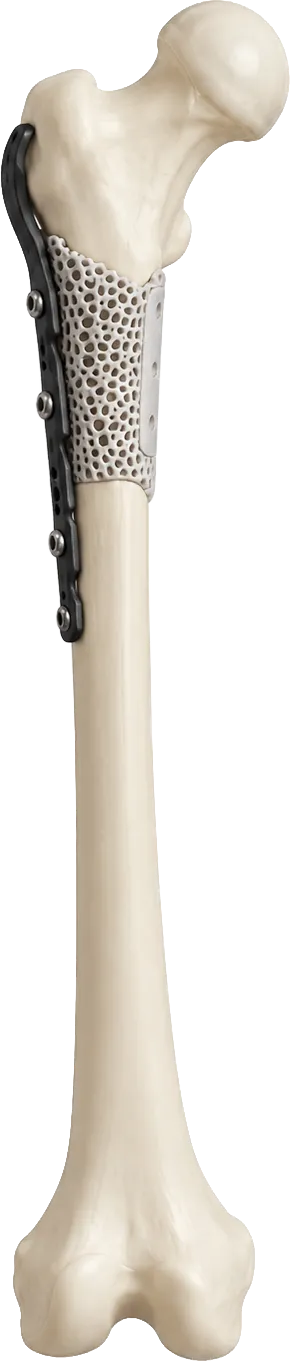
FREQUENTLY ASKED QUESTIONS
This is a method that combines medical diagnostics and high-precision 3D printing. Doctors use MRI or CT scans to obtain a digital model of the damaged area. Engineers then convert this data into blueprints for the future implant. On modern equipment, the product is built from biocompatible polymers layer by layer with maximum precision. After sterilization, the implant reaches the surgeon ready for use. This approach creates a solution that perfectly replicates the patient’s individual anatomy.
This technology is most often used in complex clinical cases where standard implants do not provide an adequate result. These may include severe fractures with large tissue defects, recovery after tumour removal in the femoral bone area, correction of congenital or acquired deformities, and situations where complications arose after previous surgeries. The advantage of 3D printing lies in the implant being created to match the patient’s individual characteristics. It replicates the shape and size of the damaged area, making treatment more precise and reducing the risk of repeat interventions.
The price is formed individually and depends on several factors. The complexity of the 3D model design, the volume of the bone defect and the material used for printing are all taken into account. For example, non-resorbable polymers may be less expensive, while resorbable materials that gradually replace themselves with bone require more technological processing. The final cost is determined after consultation with the physician, once all examination data are available and there is a clear understanding of which type of implant is most suitable.
The manufacturing process takes from 24 hours to 2 days, and you receive the finished sterile product within 5-7 business days. This period includes not only 3D printing, but also digital modeling, creation of a surgical model, sterilization and multi-level quality control. For the doctor, this means faster planning of surgical intervention and reduced waiting time for the patient, which is especially important for combat injuries, complex defects and oncological diseases.
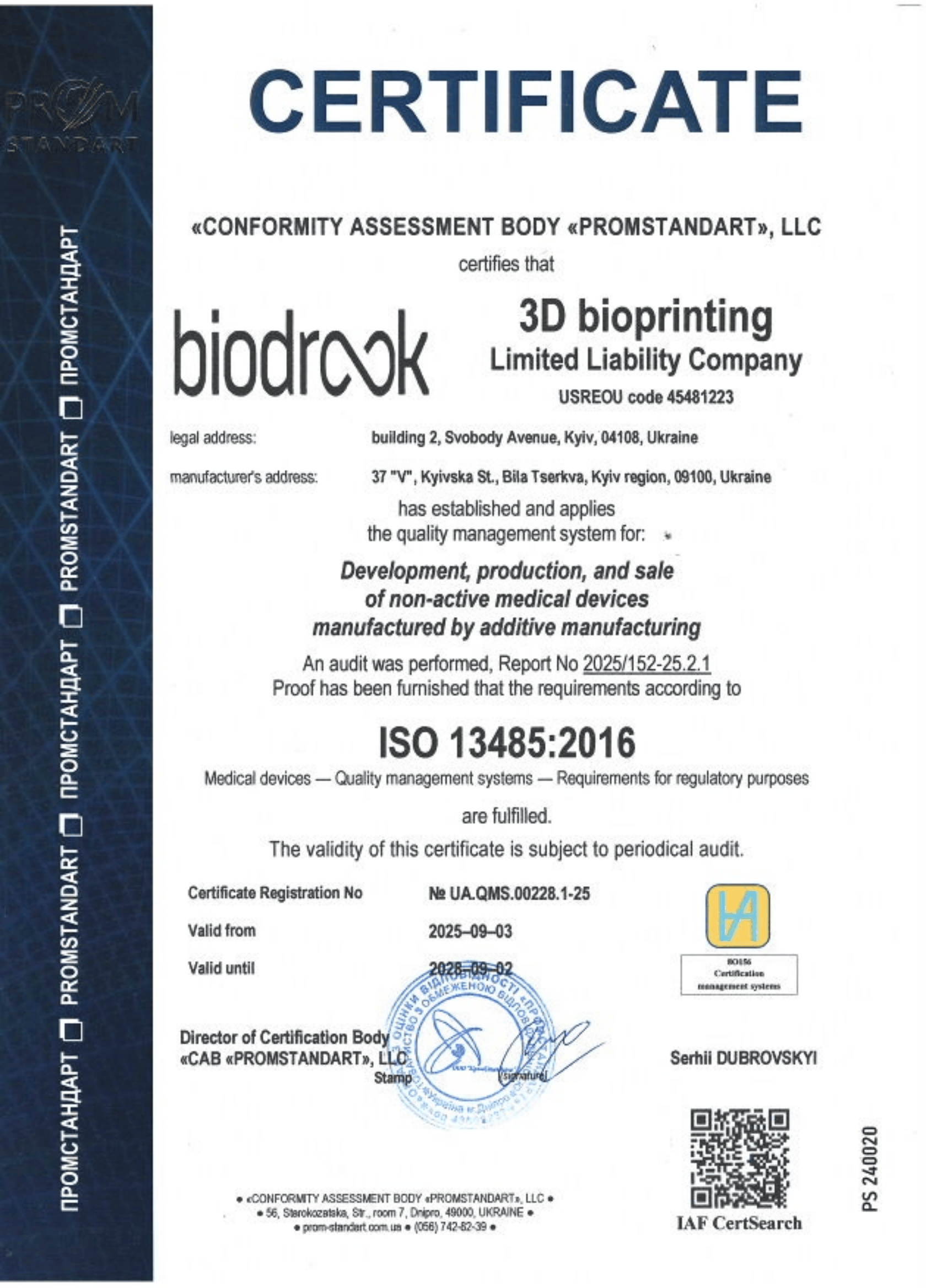
Yes. All materials used by biodrook undergo pre-clinical studies in accordance with international standards, including ISO 10993. This confirms their biocompatibility, non-toxicity and safety for use in the human body. In addition, each implant is further tested for geometric accuracy and strength before being handed over to the surgeon. This approach guarantees that the patient receives a product that meets quality requirements and can be safely used in medical practice.
FREE CONSULTATION
Leave your email and phone number, and our specialists will contact you to discuss your needs, answer your questions and find the best medical 3D printing solutions.