
SYNTHETIC BONE IMPLANTS
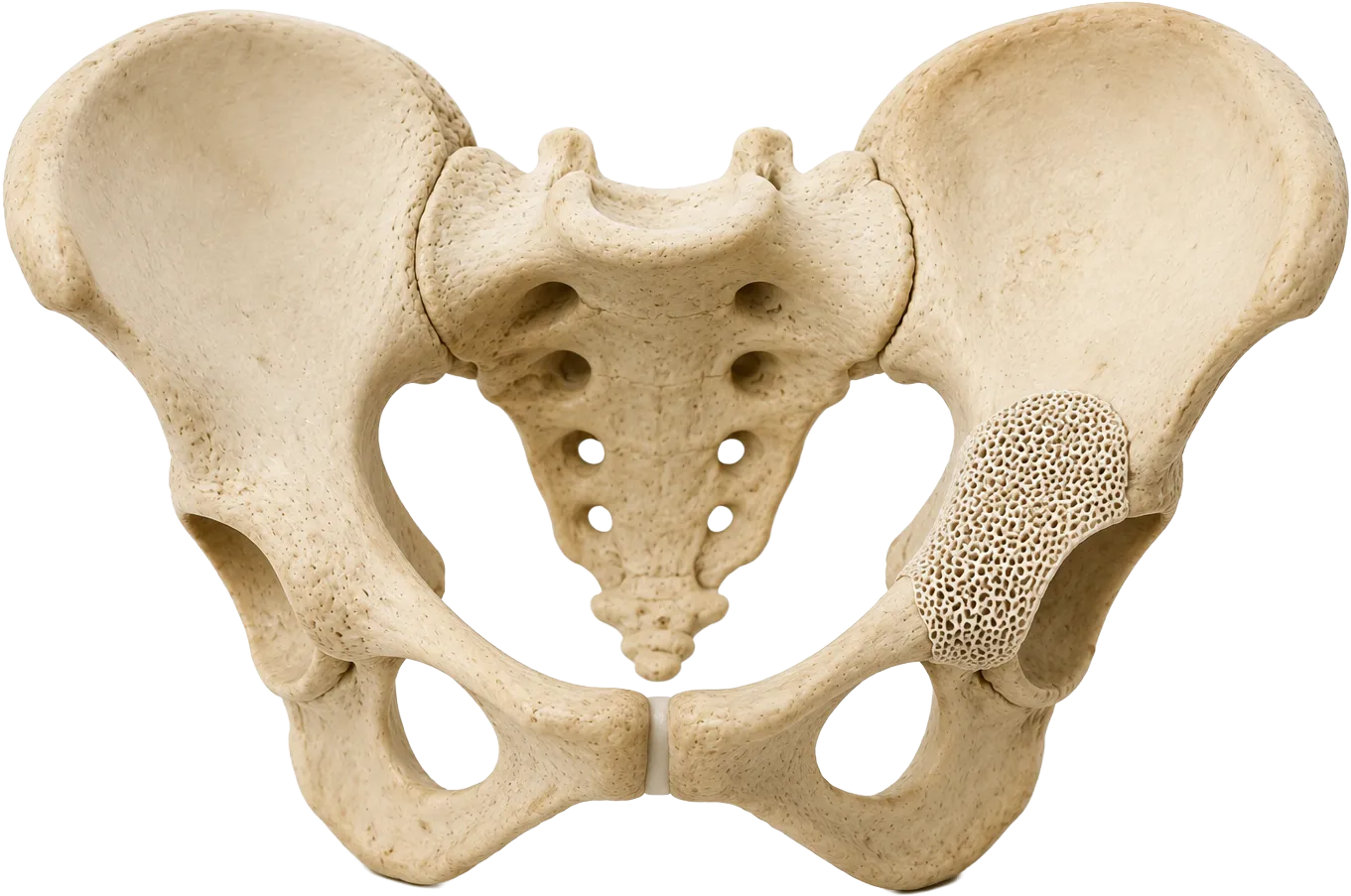
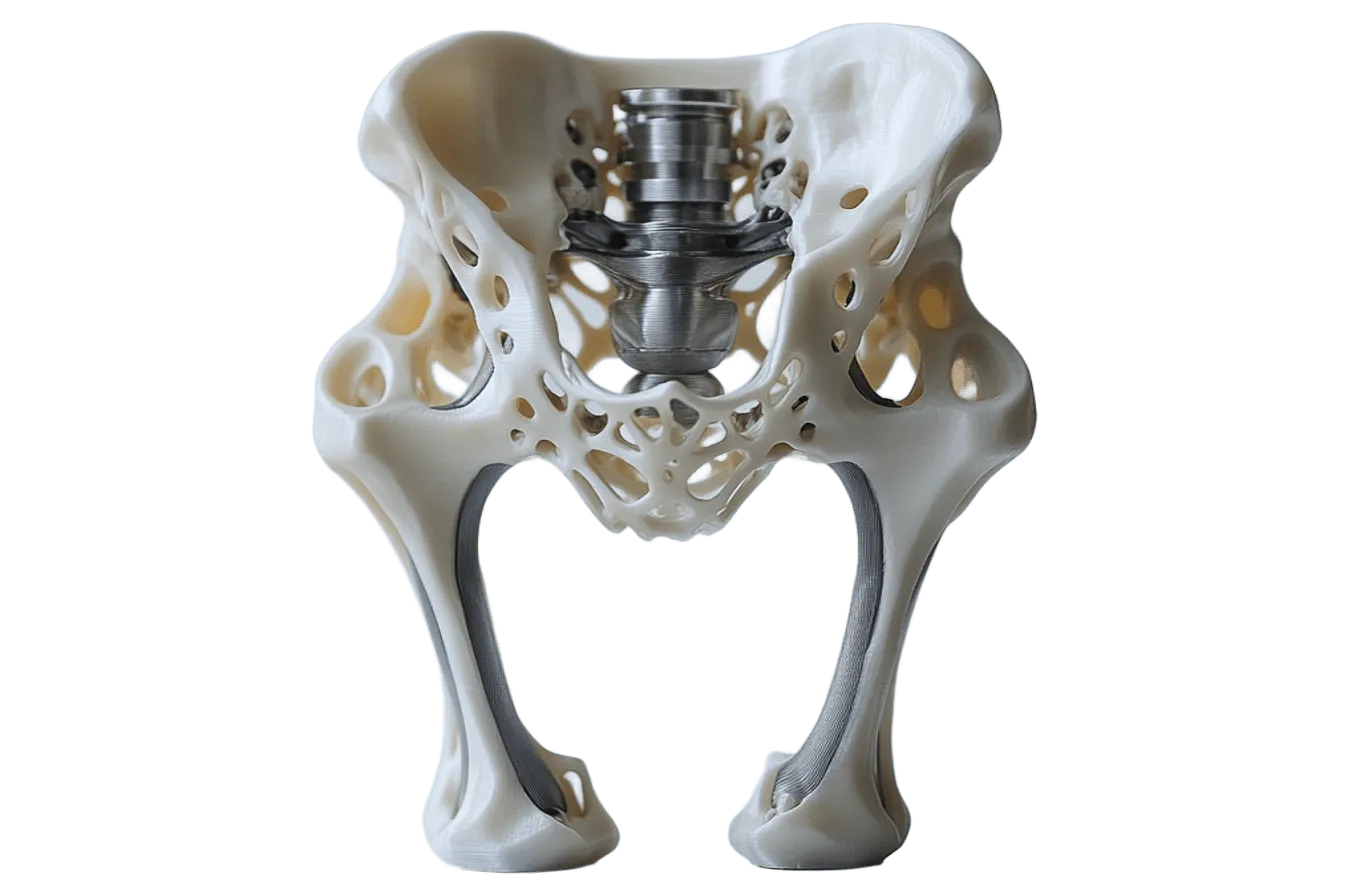
Modern medicine is evolving rapidly, and today, where complex bone transplant surgeries were once required, physicians use a synthetic bone implant. This is a next-generation solution that allows restoring bone tissue integrity without the need to harvest material from a donor or the patient themselves.
biodrook manufactures synthetic bone implants using 3D printing technology — individual, precise and safe. Every product is modelled from MRI or CT scans, replicates the defect shape and ensures natural tissue regeneration.
The technology is particularly important in traumatology, orthopaedics and onco-reconstructive surgery. It not only restores bone shape but also creates an environment for natural regeneration. As a result, the patient receives an orthopaedic implant that gradually integrates into the body, reducing the risk of rejection.
KEY ADVANTAGES:
A synthetic bone implant offers a wide range of benefits over traditional restoration methods. It is manufactured personally, so it replicates the patient’s anatomy with maximum precision. Thanks to the use of biocompatible materials, the body accepts the implant as its own, reducing the risk of inflammation and speeding up healing.
The individual approach makes it possible not only to restore bone shape but also to ensure the correct load distribution. This is important when dealing with large defects or load-bearing zones. The product can be adapted to any area of the body — from the jaw to the hip — and can be used across various surgical disciplines.
Manufacturing Speed
5–7 business days
Personalised Approach
Precisely matches the patient’s anatomy

Biocompatible Materials
Replaced by native bone tissue
No Donor
No donor material required
ADDITIONAL ADVANTAGES:
Another key advantage: no donor material is required. Previously, patients had to undergo two surgeries — first to harvest bone, then to transplant it. Synthetic bone implants eliminate this step entirely, making treatment less traumatic and faster.
STAGES OF 3D PRINTING A SYNTHETIC BONE IMPLANT
The process may seem complex at first glance. In reality it consists of clear steps that ensure safety, precision and a fast result.
As a result, the patient receives a personalised solution that shortens the recovery period and makes surgery less risky.
The entire process takes only a few days, making 3D printing of synthetic bone implants a fast and modern treatment method.
INDICATIONS
Synthetic bone implants are used in situations where a bone defect cannot be filled by traditional methods. These may be complex fractures, post-operative defects, consequences of oncological resections or trauma.
In traumatology, such implants are indispensable when a large portion of bone is lost and its shape and load-bearing function must be restored. In oncology they are used after tumour removal — synthetic bone implants allow rapid restoration of structural integrity and prevention of complications.
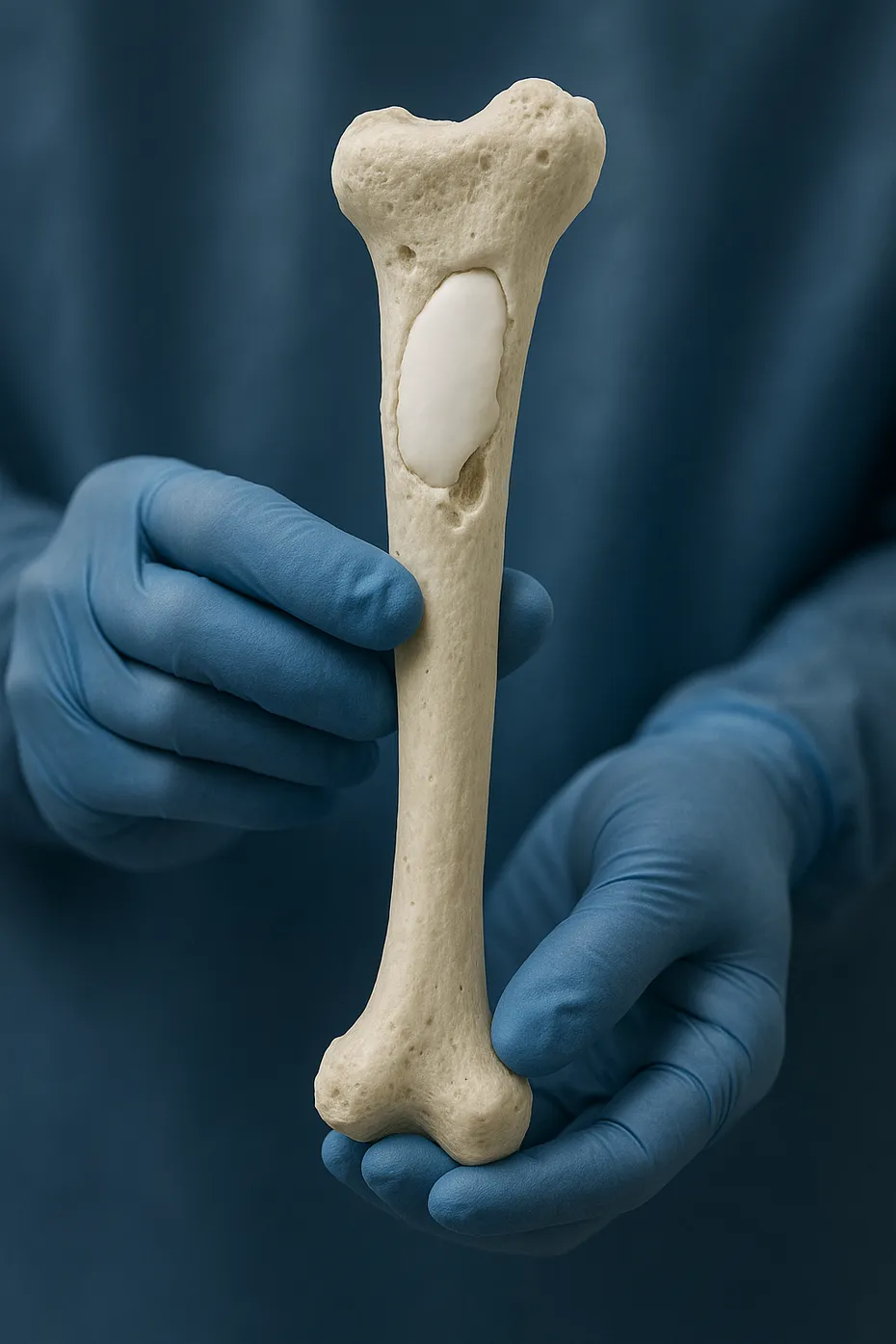
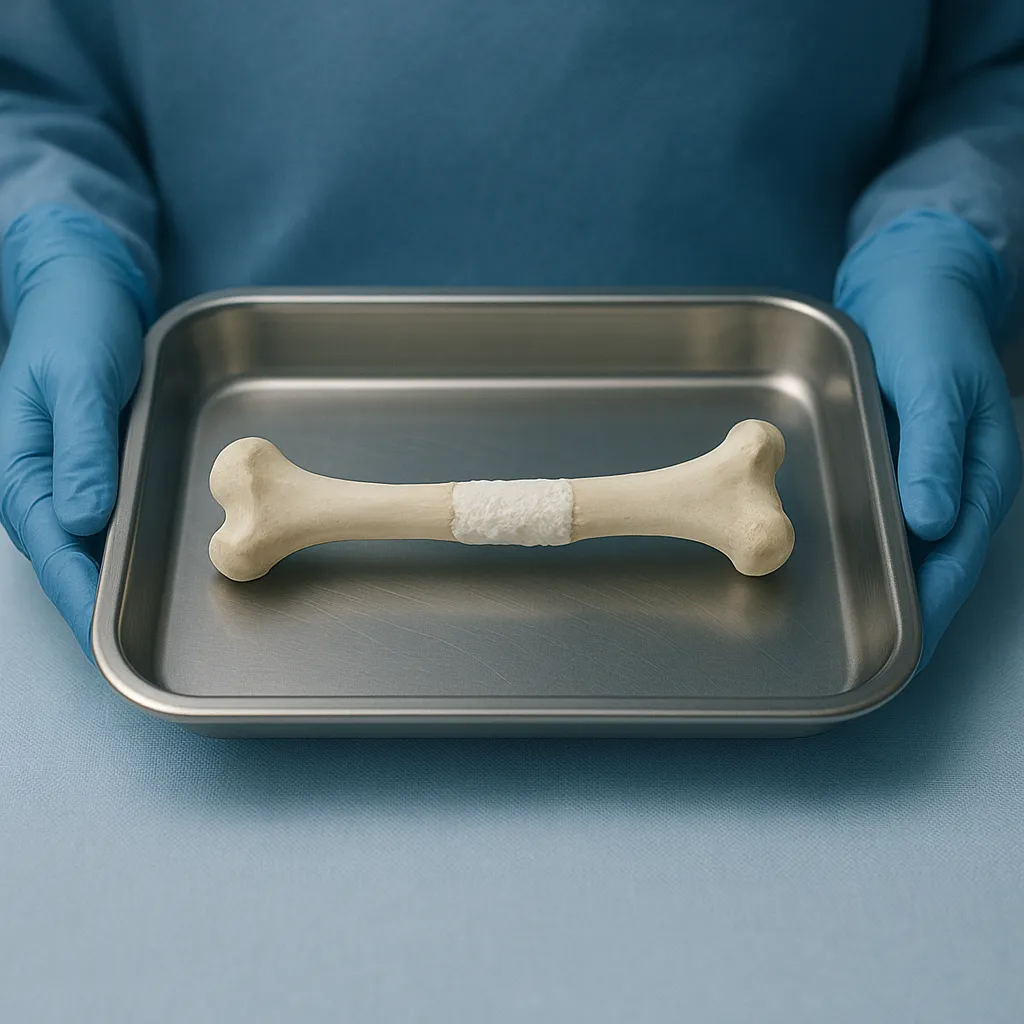
In orthopaedics, a synthetic bone implant helps with congenital deformities and also in cases where a previous implant failed to integrate. In clinical practice these situations may include:
- trauma and fractures with significant loss of bone tissue
- reconstruction after removal of bone tumours
- correction of congenital or acquired bone deformities
- impaired healing following previous failed surgeries
- cases where a standard implant is unsuitable due to anatomical features
3D printing enables a precise solution tailored to the individual features of each case, shortening recovery time and reducing the risk of repeat interventions.
CONTRAINDICATIONS
Like any surgical intervention, the technology has its limitations. It is not used if the patient has active infections in the surgical area or severe somatic diseases that make surgery dangerous.
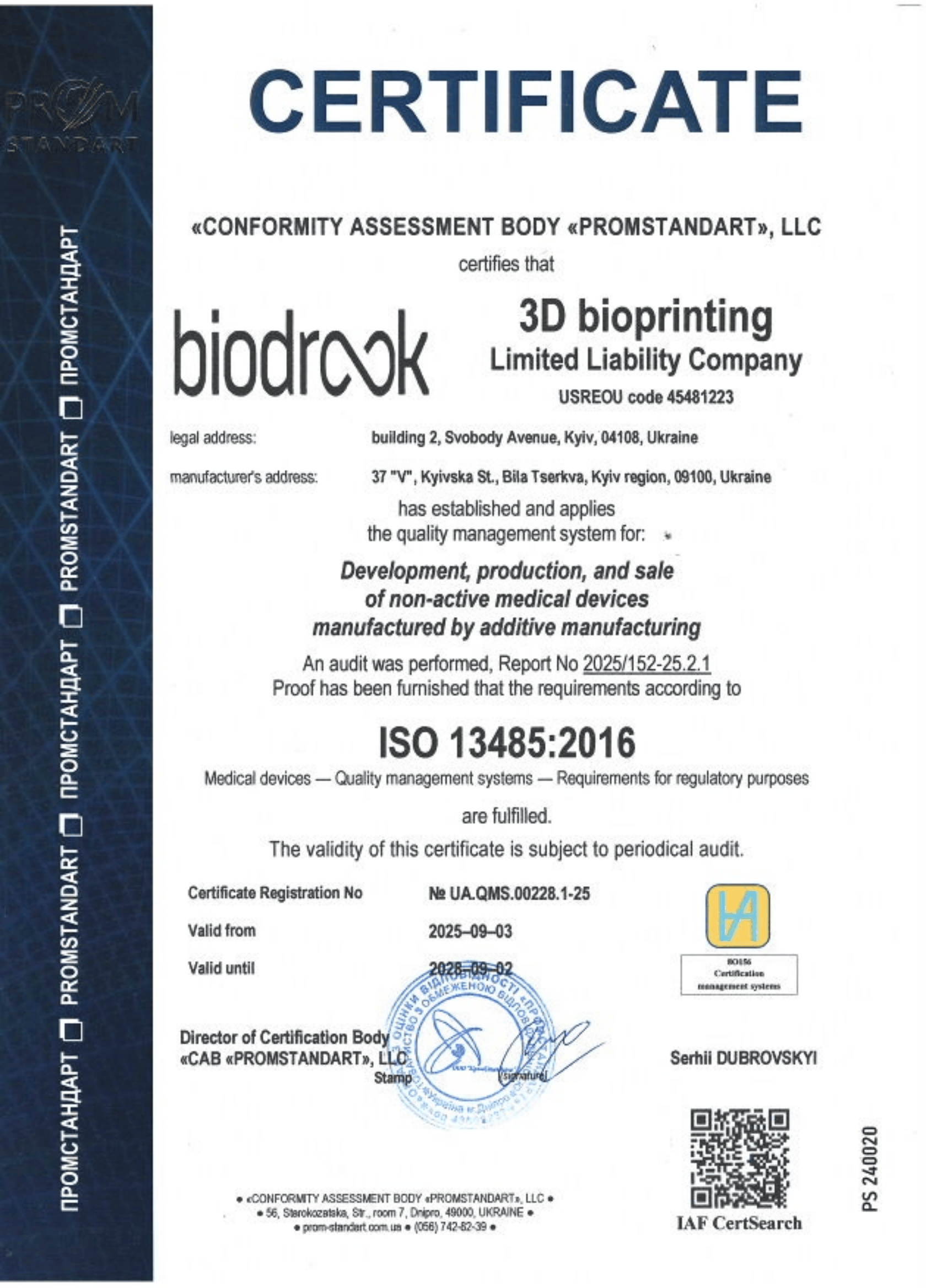
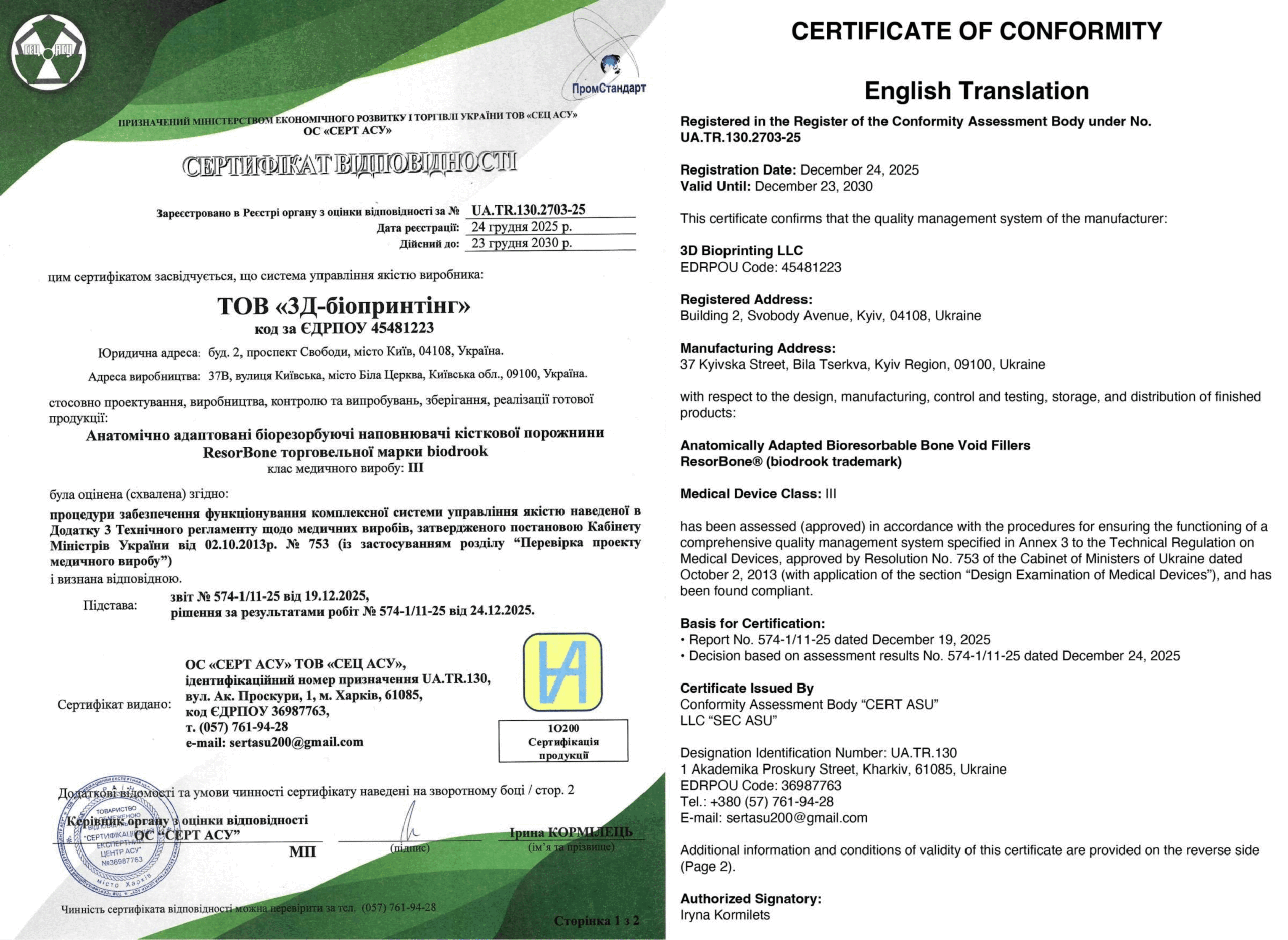
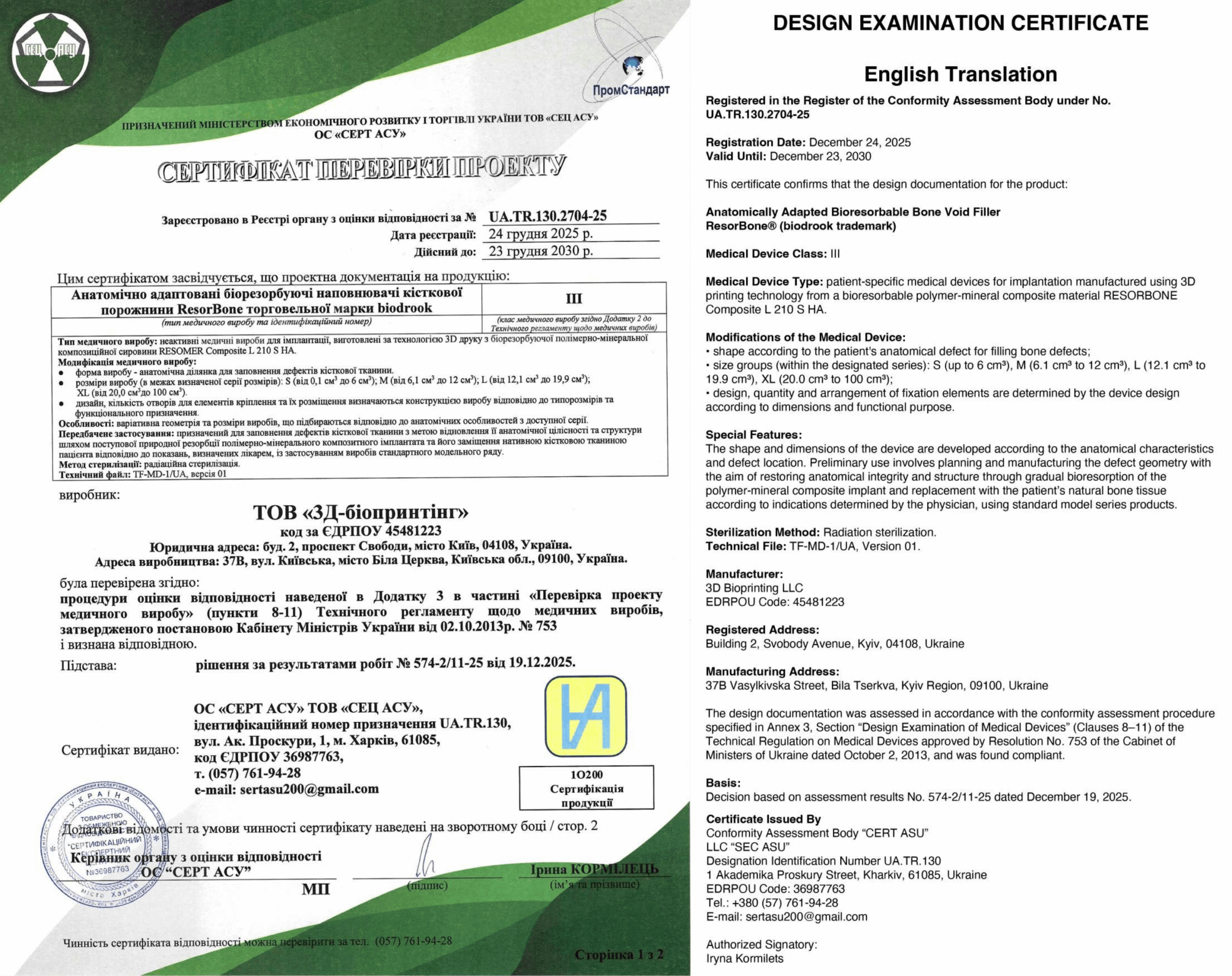
In rare cases, allergic reactions to the materials are possible, although all biodrook synthetic bone implants undergo strict certification and are biocompatible. Another limitation may be paediatric age if the skeletal system has not yet completed its development.
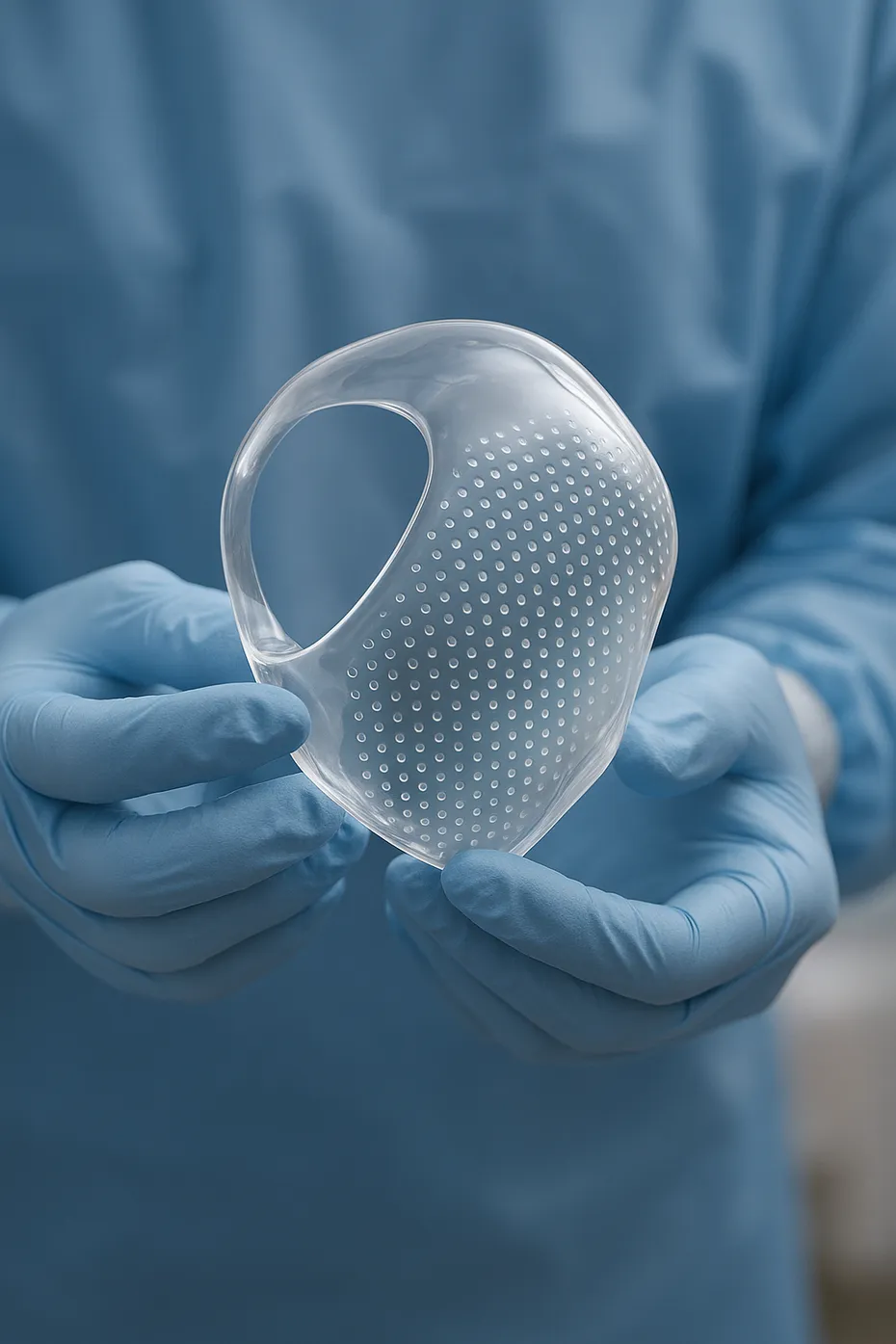
The main contraindications are as follows:
- active infections or inflammation in the surgical area
- severe somatic diseases that make surgery risky
- allergic reactions to the implant material components
- paediatric age with incomplete skeletal development
Before every surgery the physician performs a full assessment to ensure that 3D printing technology is suitable for the specific patient. This guarantees safety and a predictable treatment outcome.
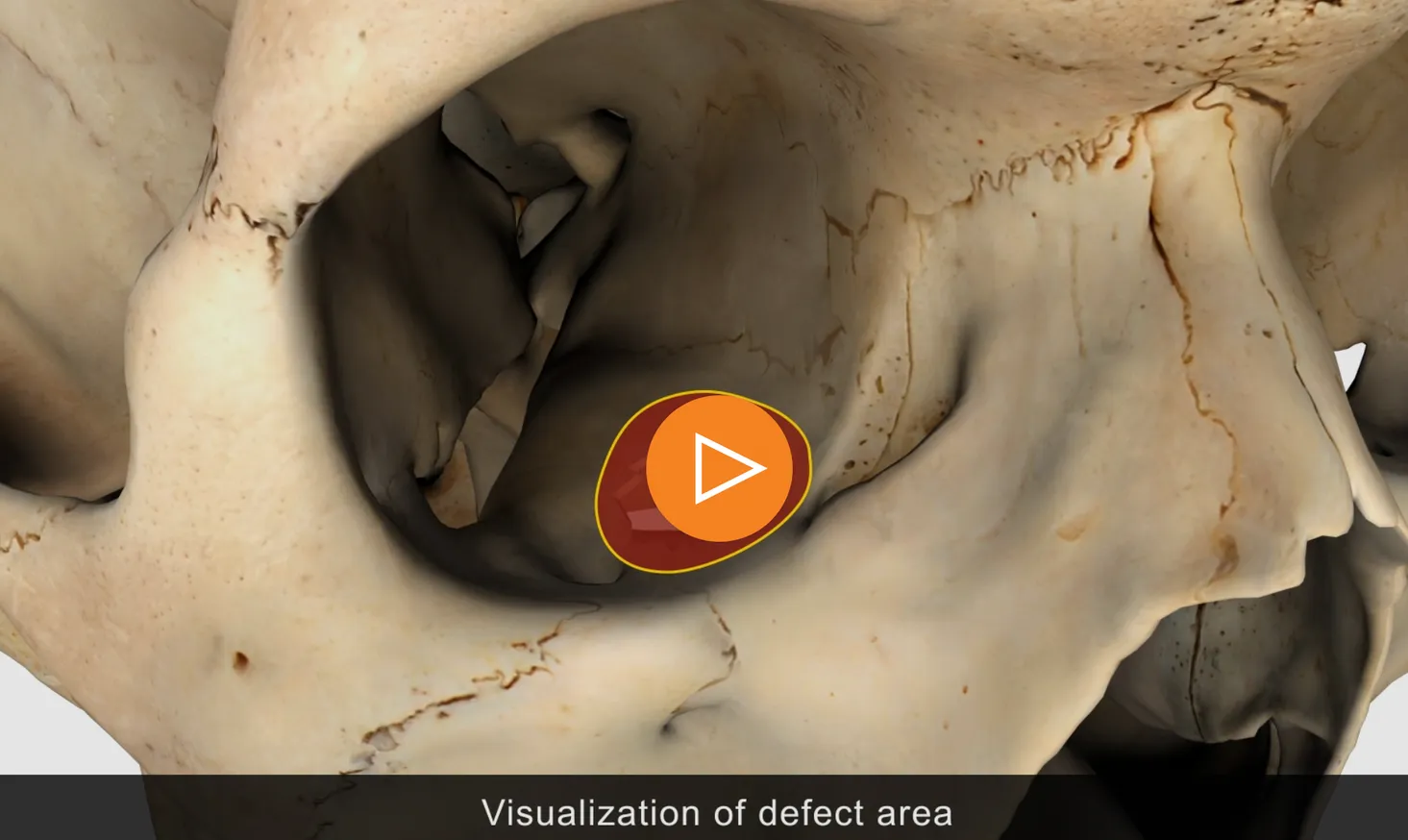
Analysis of the fit accuracy of a custom temporomandibular joint (TMJ) implant
Read the article and watch the surgical video.
RECOMMENDATIONS FOR YOU
Discover our best solutions in medical 3D printing, designed to enhance precision, efficiency and treatment quality. From anatomical models to custom surgical guides — our products are trusted by medical professionals worldwide.
Product Name
Learn more →
Product Name
Learn more →
Product Name
Learn more →
Product Name
Learn more →ACCOMPANYING DOCUMENTS
SCIENTIFIC SOURCES
Advances in 3D Printing of Surgical Guides
A detailed study of the accuracy and efficiency of 3D-printed guides in orthopaedic surgery.
Learn more →Advances in 3D Printing of Surgical Guides
A detailed study of the accuracy and efficiency of 3D-printed guides in orthopaedic surgery.
Learn more →Advances in 3D Printing of Surgical Guides
A detailed study of the accuracy and efficiency of 3D-printed guides in orthopaedic surgery.
Learn more →Advances in 3D Printing of Surgical Guides
A detailed study of the accuracy and efficiency of 3D-printed guides in orthopaedic surgery.
Learn more →
FREQUENTLY ASKED QUESTIONS
It is an artificially created implant that replaces or supplements a damaged area of bone. It is manufactured from biocompatible materials that safely integrate into the body and stimulate natural tissue regeneration. Within 36 months the implant is fully replaced by native bone tissue.
A digital model is created from the patient’s scans, after which the product is printed layer by layer on a 3D printer. The finished implant undergoes sterilisation, strength testing and is handed over to the surgeon in sterile form, requiring no additional sterilisation.
Biopolymers and composites compliant with ISO 10993 standards are used. They are non-toxic, biocompatible and may partially resorb, being replaced by native bone tissue.
The key difference is individualisation. The implant is created specifically for the patient’s anatomy, requires no additional adjustment during surgery and is produced significantly faster than traditional products. This shortens treatment time and improves the recovery prognosis.
FREE CONSULTATION
Leave your email and phone number, and our specialists will contact you to discuss your needs, answer your questions and find the best medical 3D printing solutions.