
SKULL FIXATION PLATES
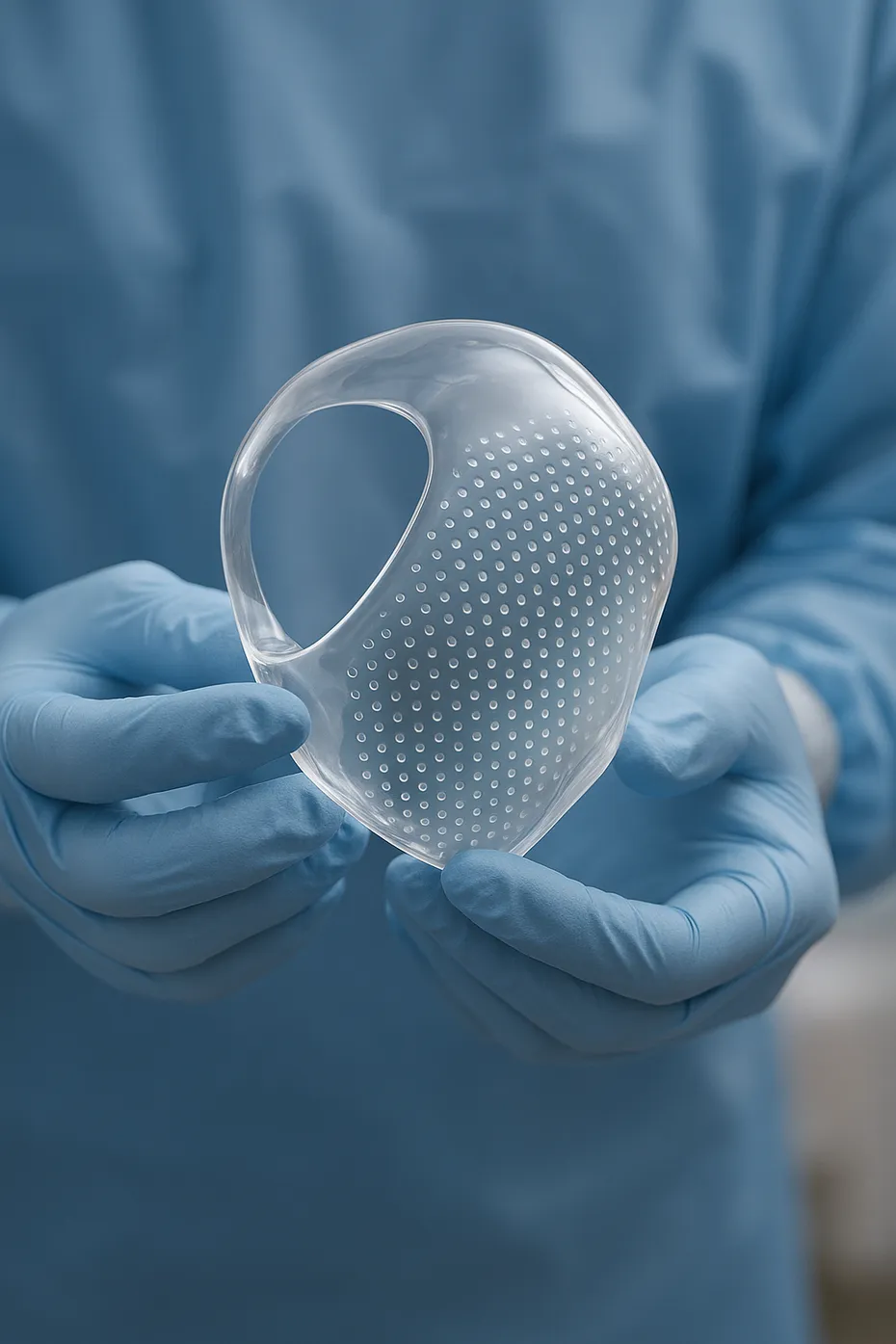
Restoring skull integrity after trauma or surgery requires precision, safety and reliability. That is why skull fixation plates today are manufactured using 3D printing — a technology that allows recreating a patient’s anatomy with micron-level accuracy.
Unlike standard products, a skull plate printed individually accounts for every curve and shape of the defect. This reduces surgical risks, shortens the procedure duration and delivers an aesthetic outcome.
When the surgeon has access to a ready-made model created for a specific patient, they receive not just a tool but an effective solution that integrates into the body with minimal adaptation. biodrook manufactures custom plates from biocompatible polymers that fully comply with implant material requirements. The entire process from diagnostics to a finished sterilised plate takes 5–7 business days.
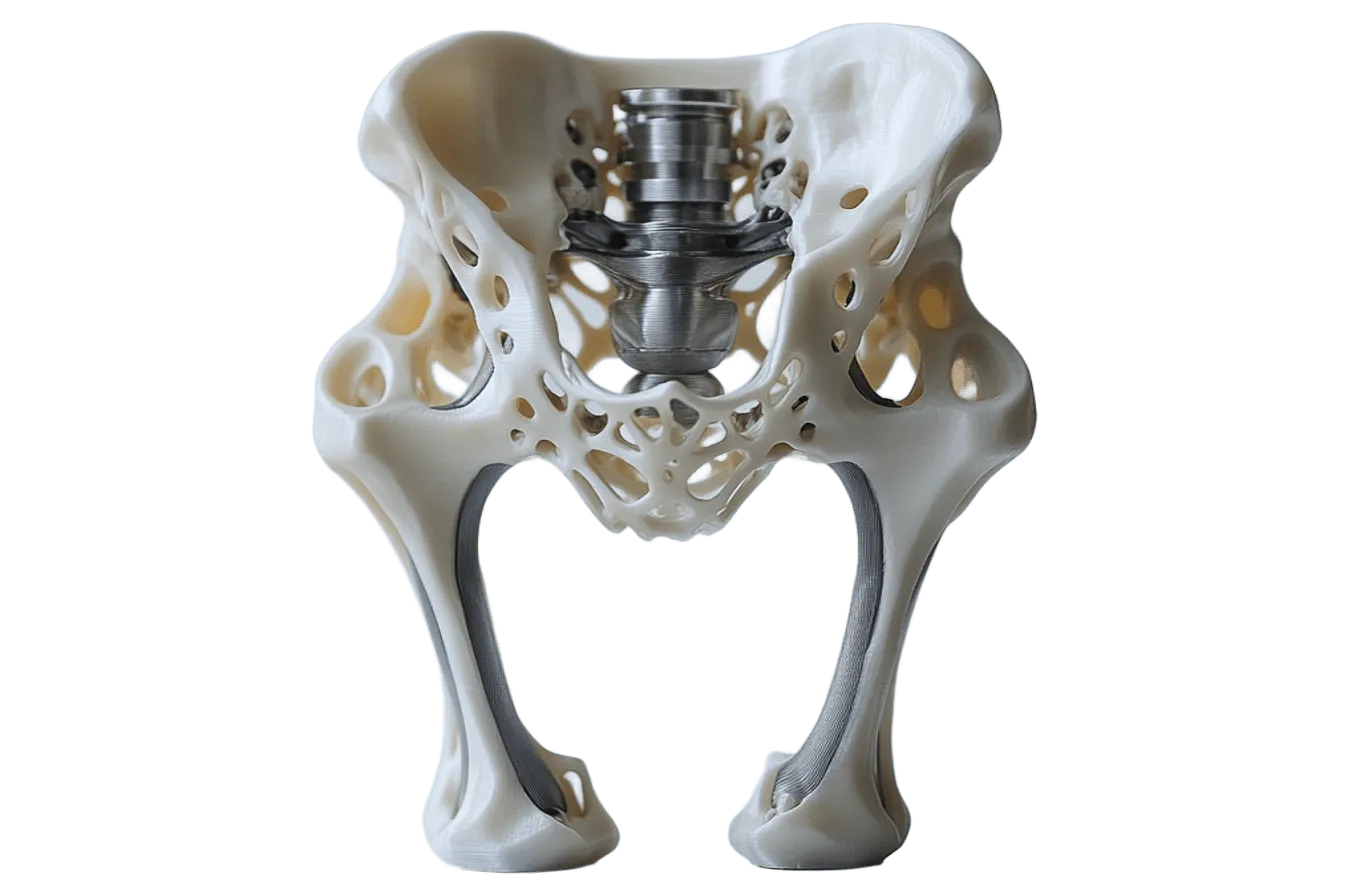
KEY ADVANTAGES:
Every skull fixation plate is manufactured from the patient’s CT scans, so it replicates the bone shape exactly. During surgery the surgeon does not need to spend time on adjustments — the product fits immediately and precisely, shortening the procedure duration and reducing the risk of complications.
Biocompatible polymers are used in production, combining strength and flexibility. They do not cause rejection, are safe for the body and promote natural tissue regeneration. These materials ensure reliable fixation and comfort for both the patient and the surgeon.

Manufacturing Speed
5–7 business days
Personalised Approach
No adjustment required during surgery

Biocompatible Materials
Safe and promotes natural tissue regeneration

Quality Control
Multilevel inspection before every surgery
ADDITIONAL ADVANTAGES:
Thanks to 3D printing, all parameters are stable and the result is predictable: the product integrates smoothly into the tissues and ensures a long-lasting effect without complications.
STAGES OF 3D PRINTING A SKULL FIXATION PLATE
Manufacturing an individual skull fixation plate is a clear technological process in which every step matters. All stages sequentially combine medical diagnostics, digital modelling and additive manufacturing to deliver a safe and precise solution.
The result is a product that seamlessly integrates into the patient’s anatomy, ensuring reliable skull protection and a predictable recovery.
INDICATIONS
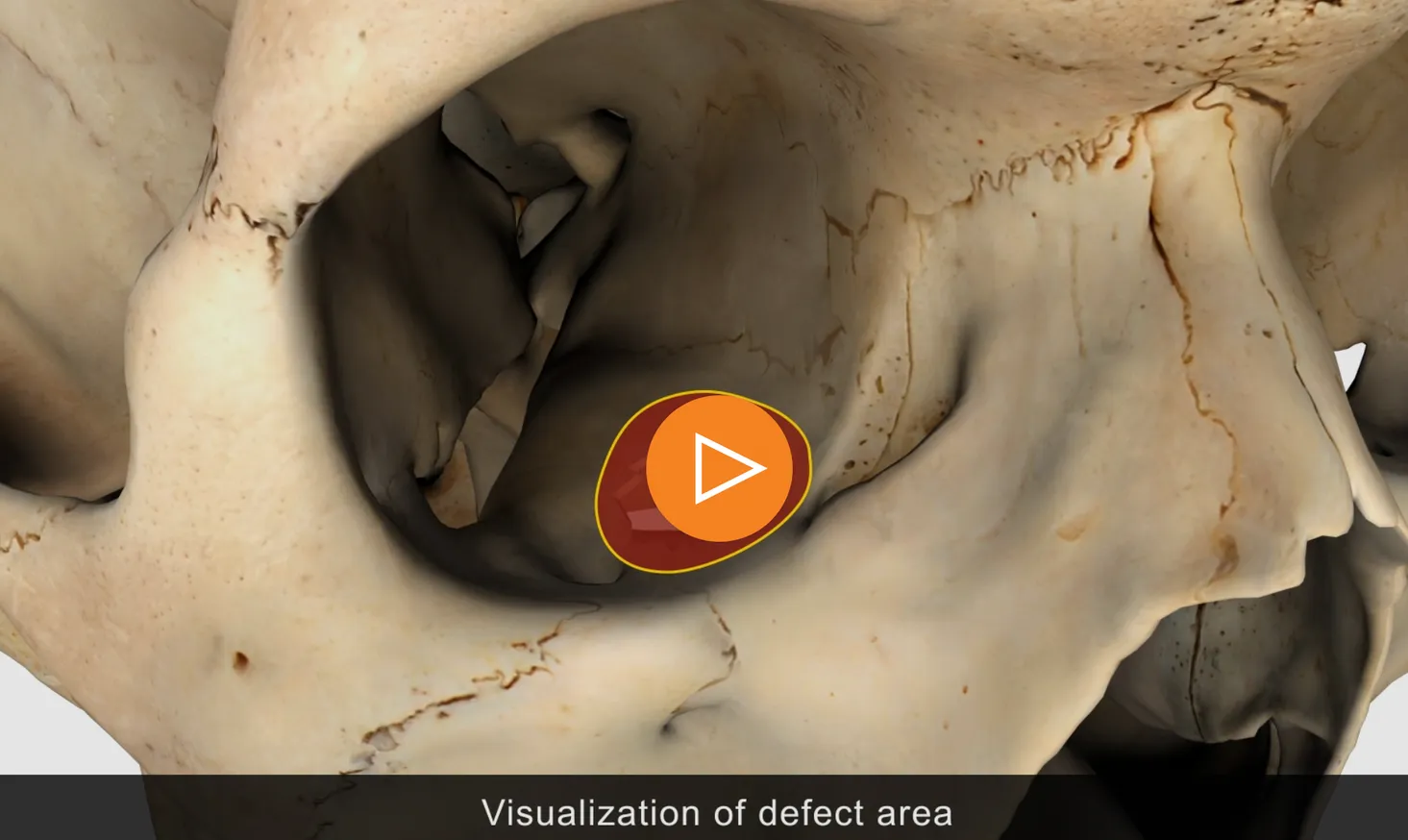
3D printing is most commonly used after complex traumatic brain injuries when a portion of the skull is lost or requires temporary removal to reduce intracranial pressure. An individual skull fixation plate precisely replicates the defect shape, providing reliable protection and restoring the anatomy.
In oncological practice, personalised plates are used after tumour resections. The technology allows rapid production of a product that fills the defect and restores skull contours without delays in treatment.
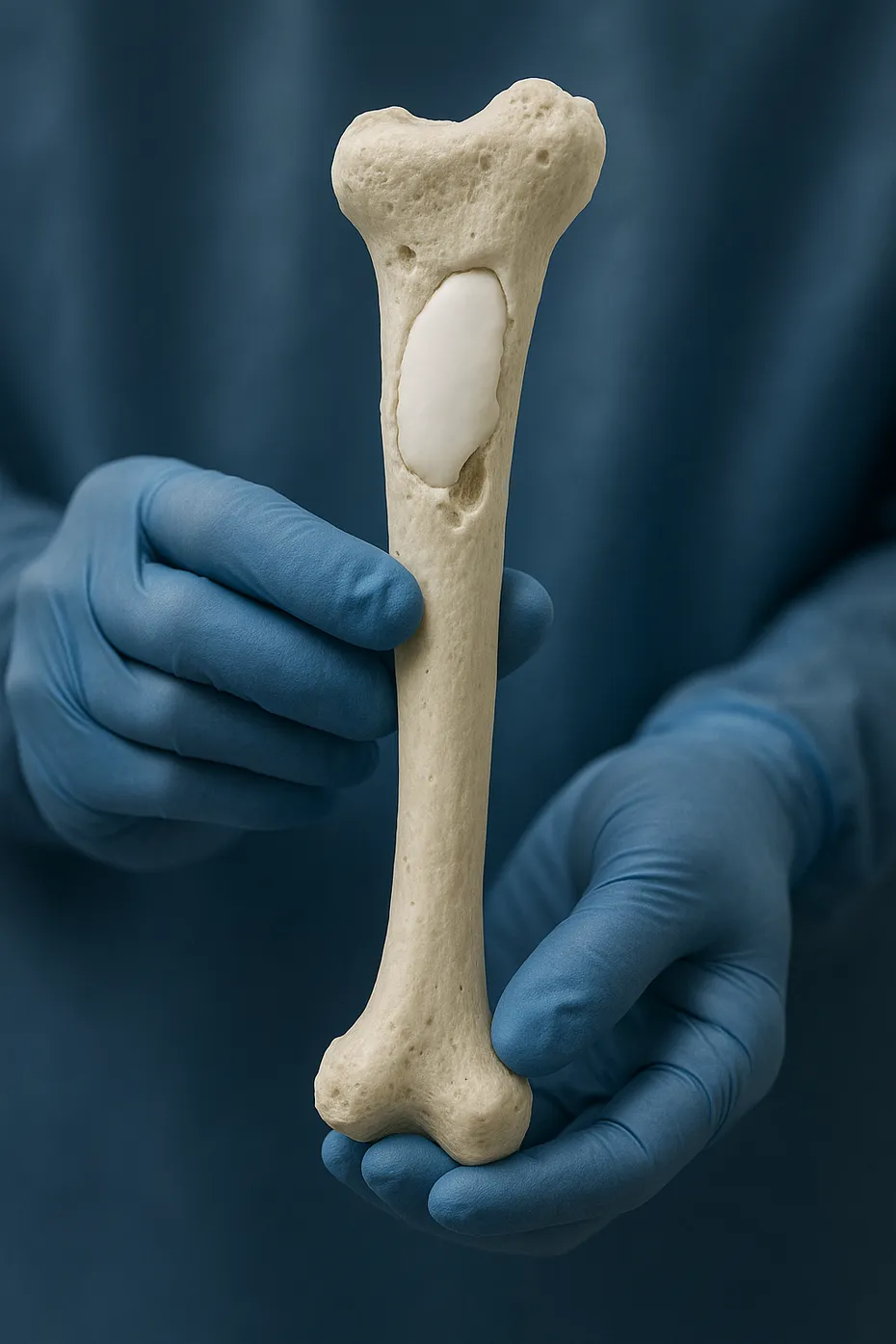
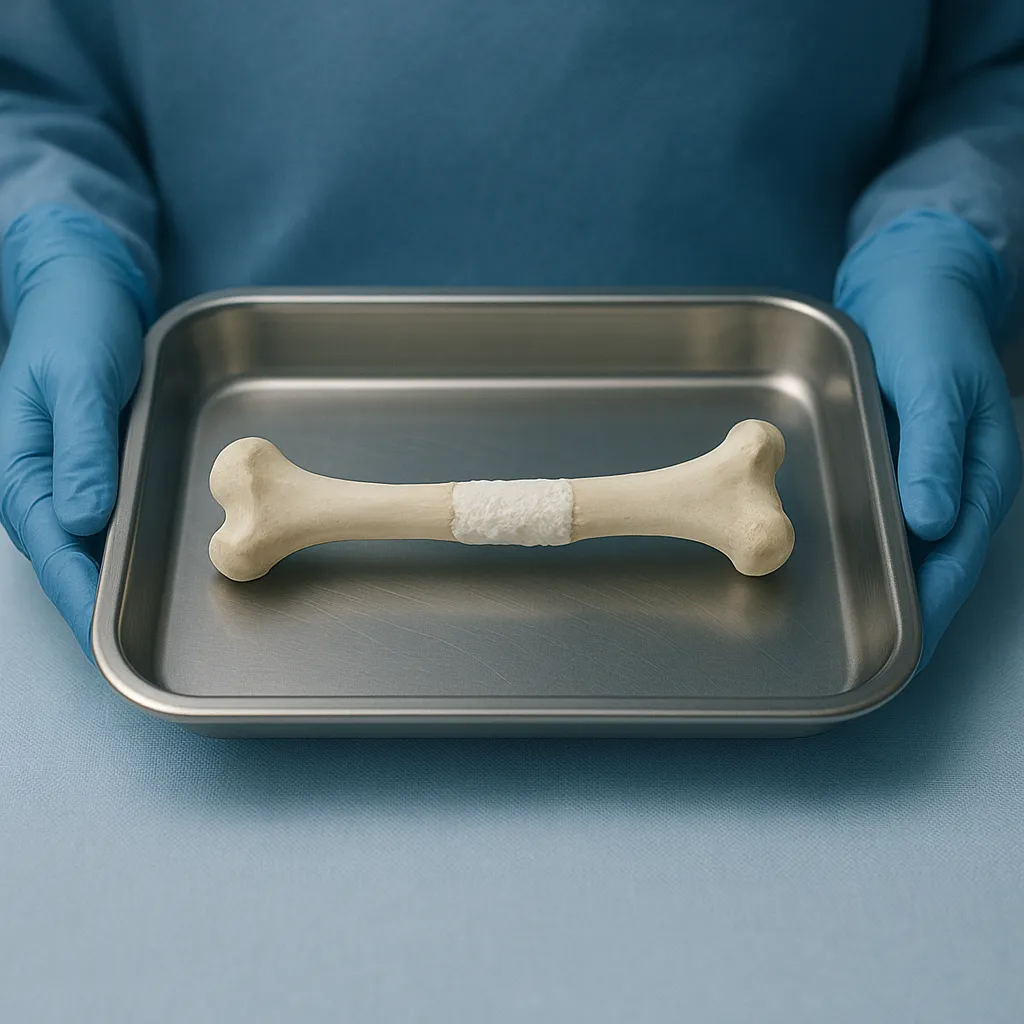
Another area is reconstruction for congenital or acquired deformities, as well as repeat surgeries where previous methods did not deliver the expected outcome. In clinical practice these situations may include:
- traumatic brain injuries with loss or temporary removal of skull bone
- oncological resection of skull tumours
- reconstruction for congenital or acquired skull deformities
- repeat surgeries where previous implants or methods failed
- cases where standard solutions do not provide the required outcome
All these indications share a common goal — to restore the shape, protection and harmony of the skull as safely, quickly and individually as possible for each patient.
CONTRAINDICATIONS
Like any surgical procedure, the use of a skull fixation plate has its limitations. The procedure is not performed in the presence of active infections in the surgical area, severe systemic diseases or conditions that impair tissue healing.
Caution is also required in cases of allergy to the materials or the presence of soft tissue inflammation. In paediatric patients, 3D printing is used only when indicated, during periods when skull growth has stabilised.
The main contraindications are as follows:
- active infections or inflammatory processes in the surgical area
- severe systemic diseases or conditions impairing tissue healing
- allergy to implant materials or presence of soft tissue inflammation
- paediatric age during active skull growth phases
The decision to manufacture an individual plate is made by the surgeon after a full diagnostic assessment and risk evaluation. This guarantees a safe outcome and correct restoration of the bone structure.
Analysis of the fit accuracy of a custom temporomandibular joint (TMJ) implant
Read the article and watch the surgical video.
RECOMMENDATIONS FOR YOU
Discover our best solutions in medical 3D printing, designed to enhance precision, efficiency and treatment quality. From anatomical models to custom surgical guides — our products are trusted by medical professionals worldwide.
Product Name
Learn more →
Product Name
Learn more →
Product Name
Learn more →
Product Name
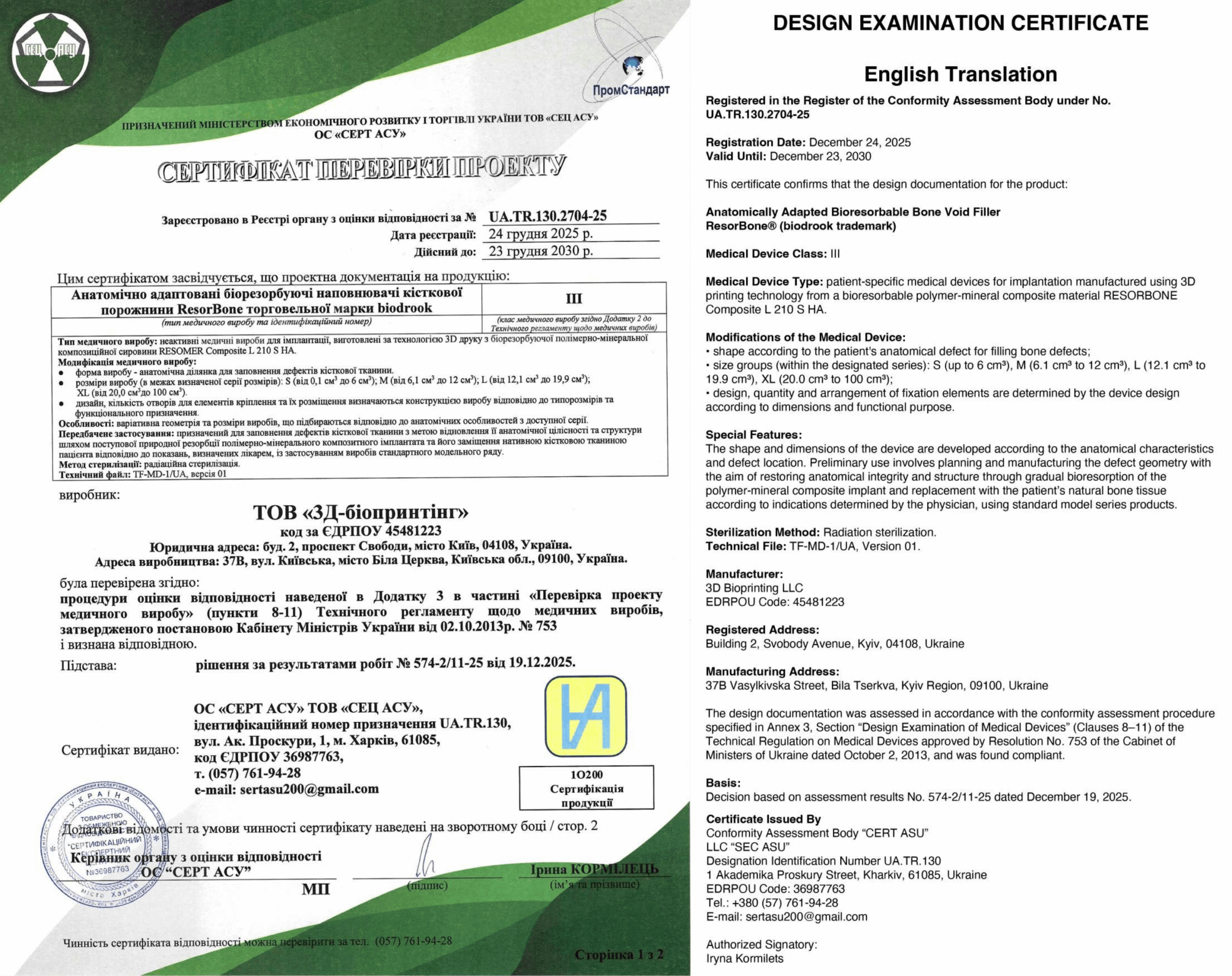
Learn more →ACCOMPANYING DOCUMENTS
SCIENTIFIC SOURCES
Advances in 3D Printing of Surgical Guides
A detailed study of the accuracy and efficiency of 3D-printed guides in orthopaedic surgery.
Learn more →Advances in 3D Printing of Surgical Guides
A detailed study of the accuracy and efficiency of 3D-printed guides in orthopaedic surgery.
Learn more →Advances in 3D Printing of Surgical Guides
A detailed study of the accuracy and efficiency of 3D-printed guides in orthopaedic surgery.
Learn more →Advances in 3D Printing of Surgical Guides
A detailed study of the accuracy and efficiency of 3D-printed guides in orthopaedic surgery.
Learn more →
FREQUENTLY ASKED QUESTIONS
It is a custom implant that replaces or reinforces a damaged area of the skull. The plate is created from CT scans and printed from a biocompatible polymer that replicates the exact shape of the defect.
They are used in neurosurgery, oncology, reconstructive and plastic medicine. The primary goal is to restore skull integrity after trauma, surgery or resections.
Such products undergo multilevel strength and sterility testing. The materials used comply with ISO 10993 standards: they are non-toxic, biocompatible and resistant to mechanical loads.
Yes, every plate is modelled individually from CT scans. This guarantees an exact match to the defect’s shape and dimensions and eliminates the need for intraoperative adjustments.
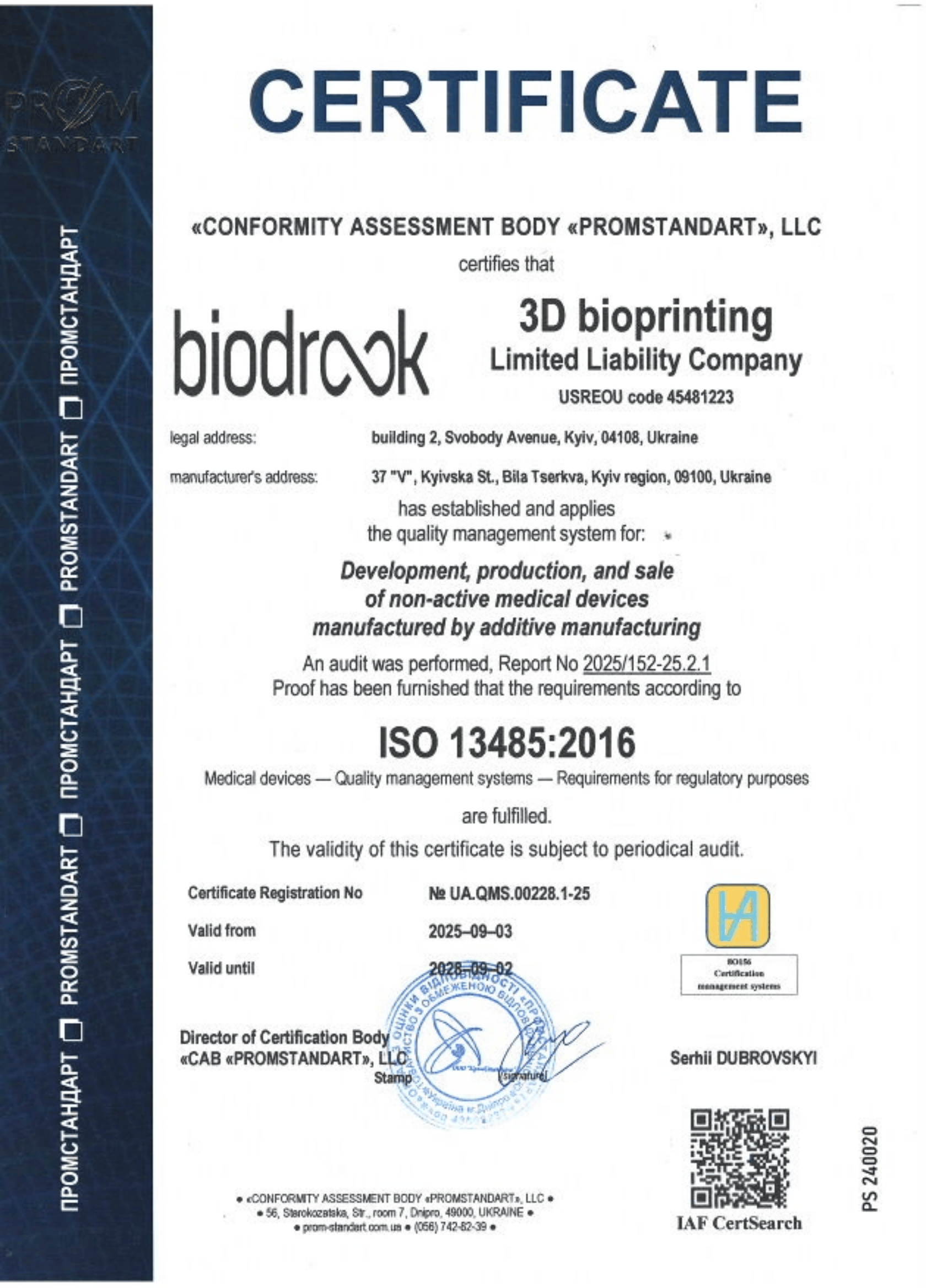
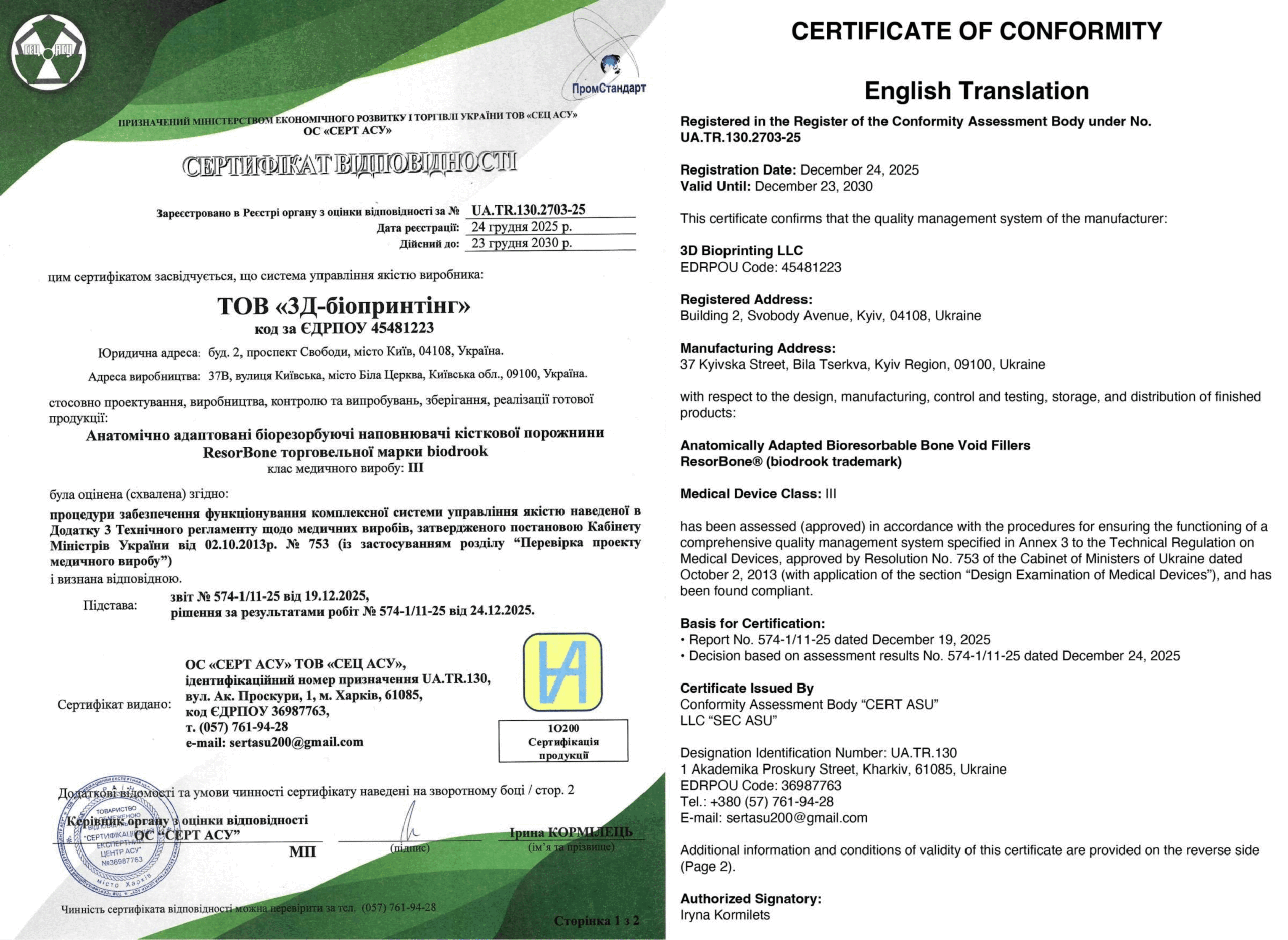
Yes. All materials undergo pre-clinical testing in accordance with international standards. Production is conducted under strict quality and sterility control, confirmed by ISO certificates.
FREE CONSULTATION
Leave your email and phone number, and our specialists will contact you to discuss your needs, answer your questions and find the best medical 3D printing solutions.