
ADDITIVE MANUFACTURING OF MEDICAL IMPLANTS
Additive manufacturing of medical implants is not a technology of the future — it is a real tool that already helps patients recover faster after trauma and complex surgery. The core idea is simple: instead of standard solutions that do not always fit perfectly, the patient receives an implant designed specifically for their anatomy.
The process works as follows: the surgeon orders an MRI or CT scan, engineers convert the images into a digital 3D model, and the finished product is then printed on advanced equipment. Only certified biocompatible materials are used, which interact safely with the body.
As a result, additive manufacturing gives the surgeon a precise surgical instrument and gives the patient greater confidence in a fast, high-quality recovery. It is a personalised solution that combines technology and genuine care for human health.
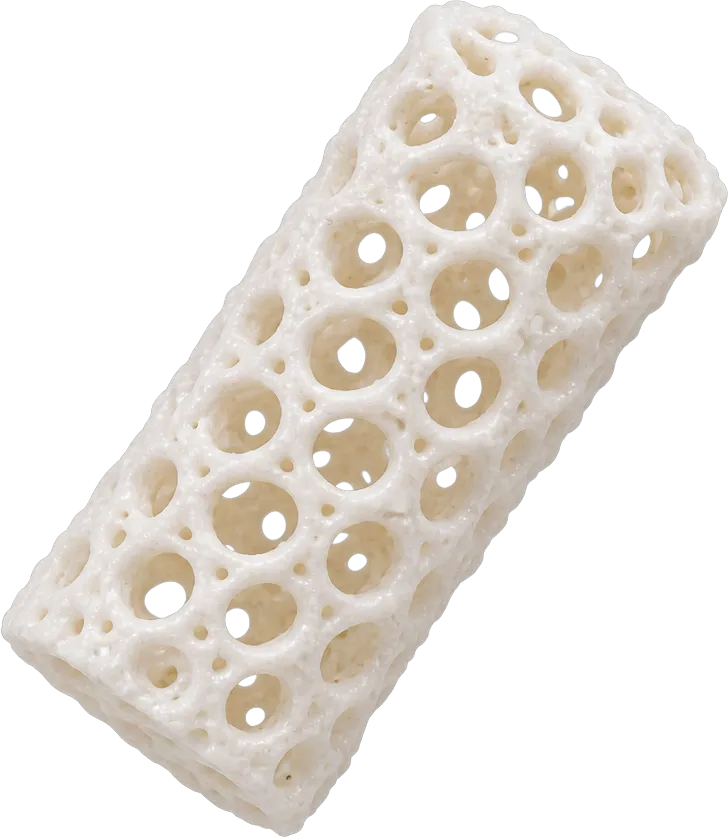
ADVANTAGES OF ADDITIVE MANUFACTURING:
During recovery from traumatic injuries or surgical procedures, the characteristics of the implant used play just as decisive a role as the surgeon’s skill. That is why medical professionals increasingly favour three-dimensional technologies: unlike universal off-the-shelf products, these implants are developed individually — taking into account each patient’s unique anatomy and specific clinical requirements.
For the patient this means a less complex surgical intervention and faster rehabilitation. The implant integrates perfectly into the anatomical structure, eliminating the need for additional intraoperative adjustments, shortening procedure duration and minimising the probability of complications.
Manufacturing Speed
24–48 hours of printing, 5–7 business days to the clinic
Personalised Approach
Implant tailored to each patient’s anatomy

Biocompatible Materials
Promote regeneration and do not cause rejection

Wide Application
From paediatric surgery to complex oncological cases
ADDITIONAL ADVANTAGES:
The result is clear: the patient receives a personalised solution without unnecessary risks or prolonged waiting. The medical specialist works with tools that deliver a predictable, positive outcome — and that is precisely what makes additive manufacturing the new standard in modern medical practice.
STAGES OF ADDITIVE MANUFACTURING OF IMPLANTS
Every stage is clearly planned: from initial diagnostics to delivery of the finished product to the clinic. All steps sequentially combine medical precision, digital modelling and additive manufacturing to achieve a safe result.
The result is a personalised product that seamlessly integrates into the patient’s anatomy, providing reliable protection and a predictable recovery.
INDICATIONS
Not every case requires complex personalised solutions, but there are situations in which they become the only correct option. Additive manufacturing is indicated when standard implant models cannot deliver the required outcome.
This is particularly relevant for severe fractures with large tissue defects, post-tumour resections, congenital or acquired deformities, and cases where previous surgeries were unsuccessful.
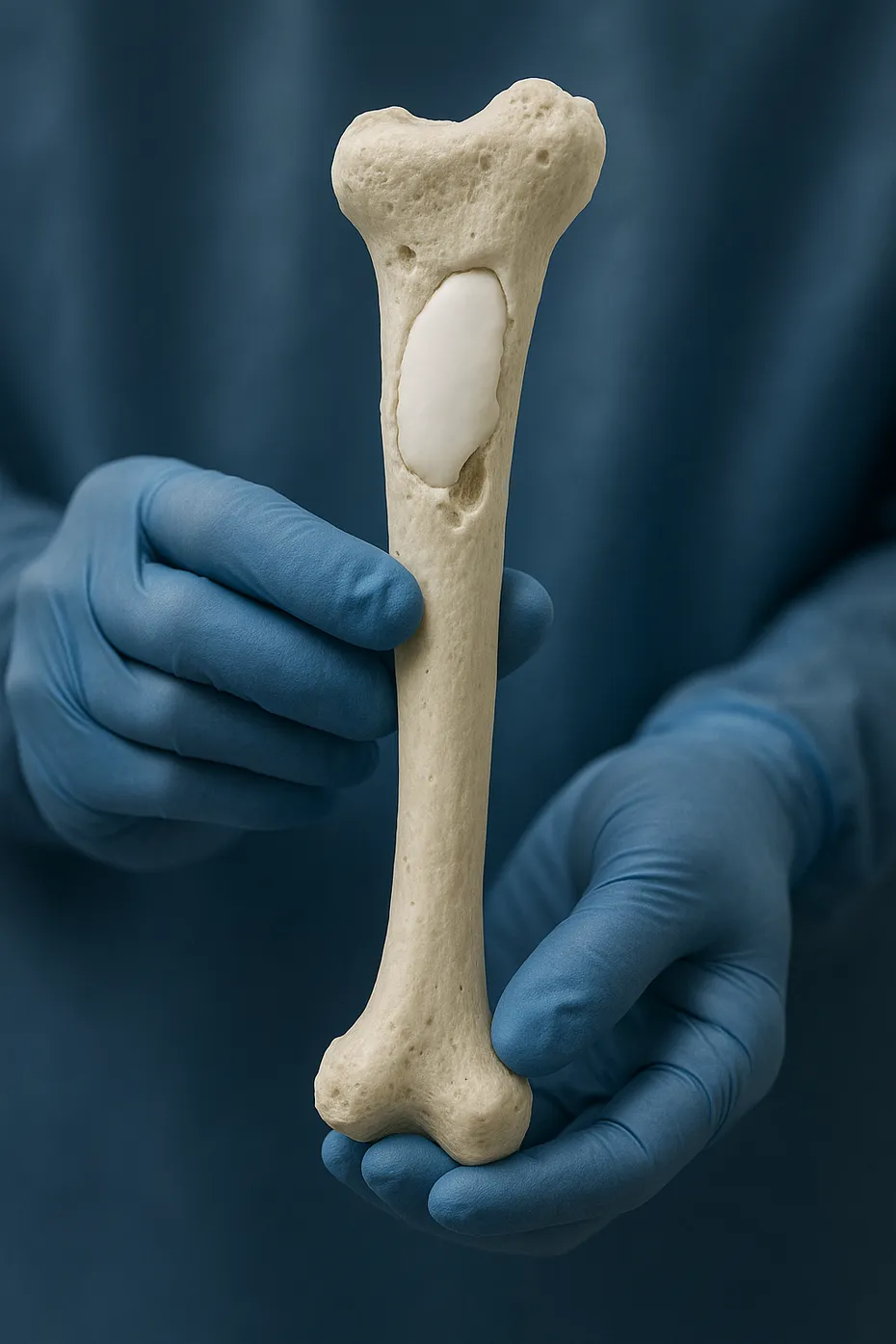
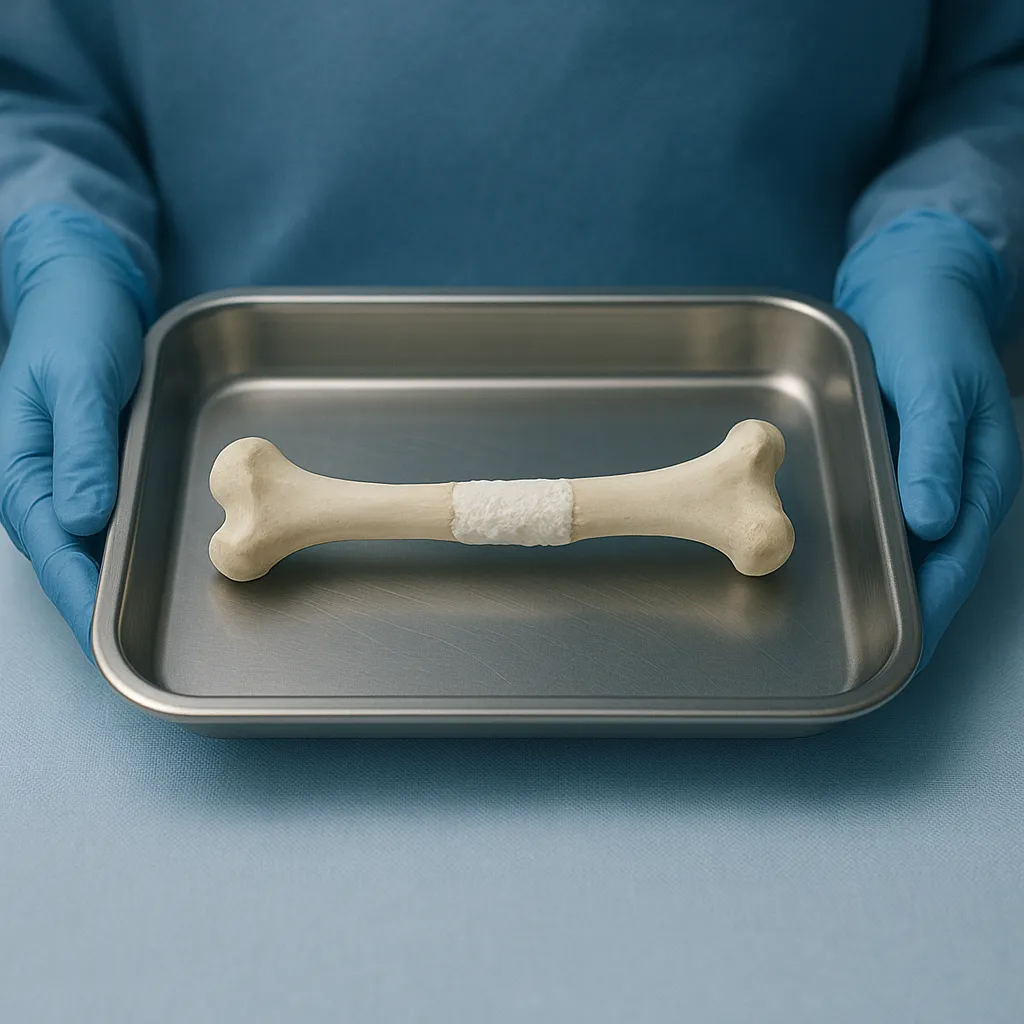
In clinical practice, additive manufacturing technology is used for:
- severe fractures with significant loss of bone tissue
- resections following oncological operations
- congenital or acquired bone deformities
- repeat interventions after failed previous implantations
- cases where standard implant models do not achieve the expected outcome
Additive manufacturing of orthopaedic implants thus delivers precision and effectiveness precisely where other methods fall short.
CONTRAINDICATIONS
Like any surgical procedure, additive manufacturing of implants has its limitations. Before a decision is made, the surgeon always performs a thorough diagnostic assessment and evaluates the patient’s condition. In some cases the use of the technology may be postponed or ruled out entirely.
The main contraindications include both general surgical restrictions and specific conditions that affect the body’s ability to integrate the implant and achieve complete tissue healing.
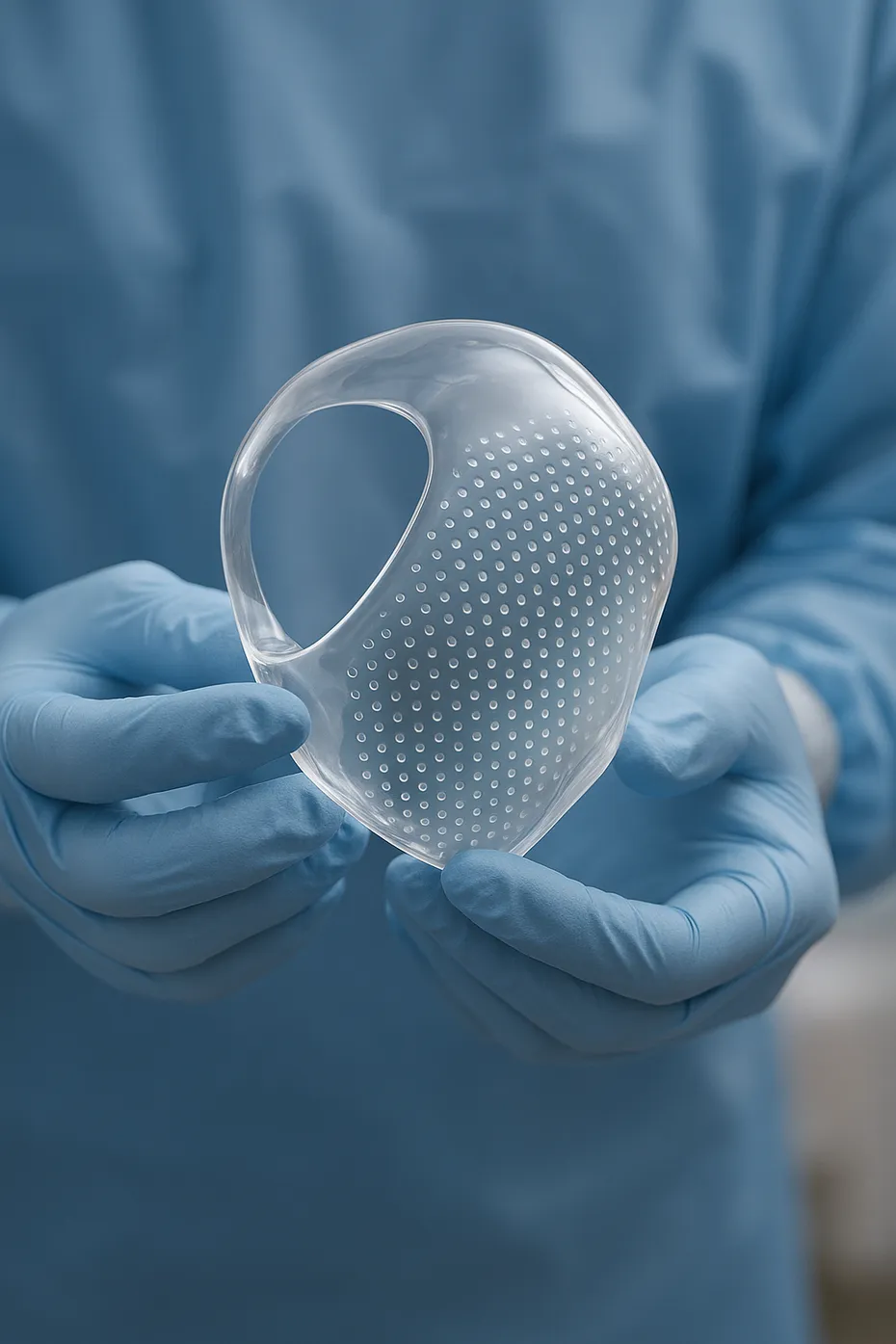
The main contraindications are as follows:
- active infections in the planned surgical area that may complicate healing
- severe comorbidities (cardiovascular, pulmonary and others) that increase surgical risk
- allergic reactions to implant materials (rare, but require pre-operative screening)
- incomplete skeletal growth in children, where implantation may interfere with natural development
In every situation the decision is made individually following a comprehensive examination. Where no contraindications exist, additive manufacturing of a medical implant offers a safe and effective treatment pathway.
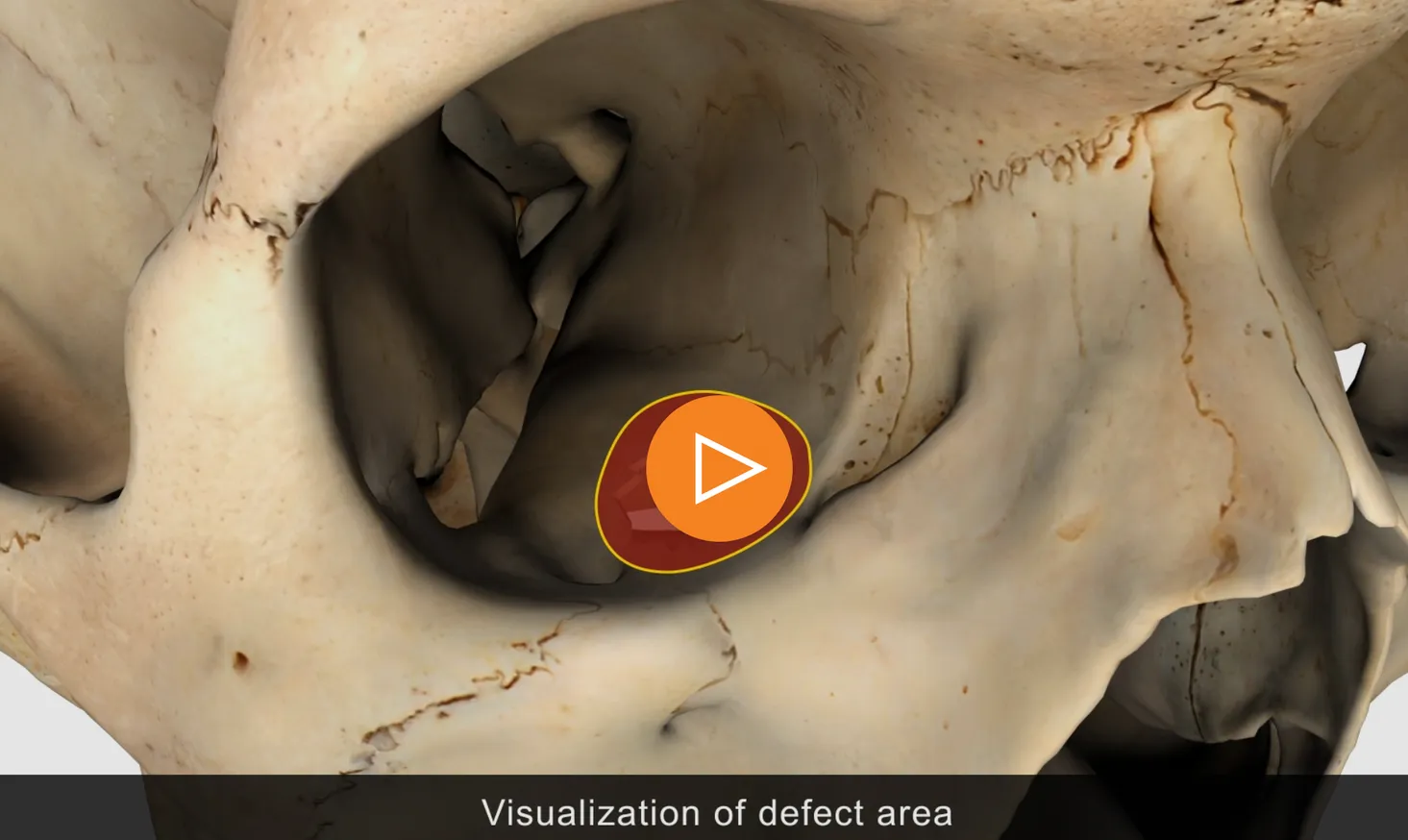
Analysis of the fit accuracy of a custom temporomandibular joint (TMJ) implant
Read the article and watch the surgical video.
RECOMMENDATIONS FOR YOU
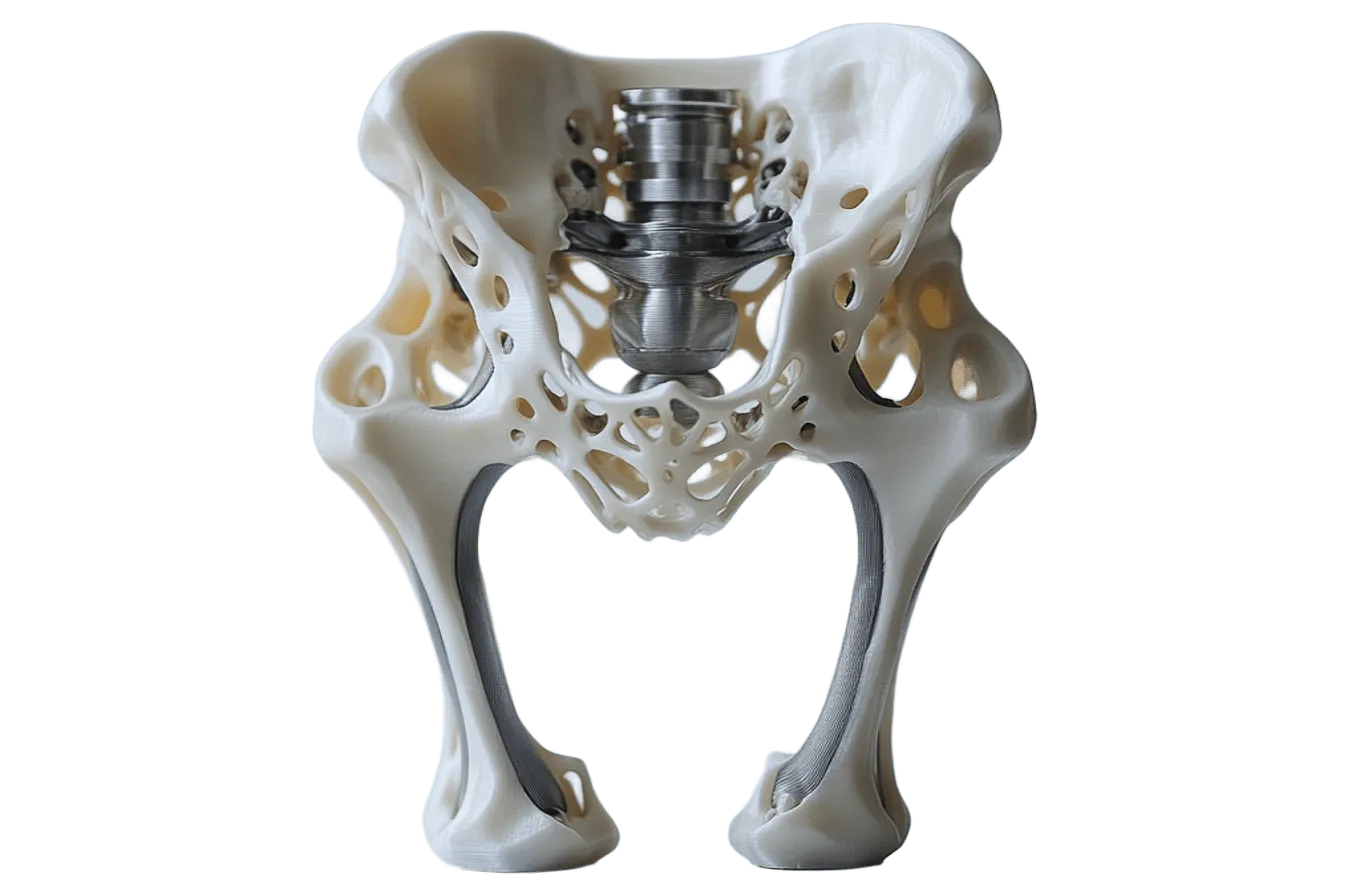
Discover our best solutions in medical 3D printing, designed to enhance precision, efficiency and treatment quality. From anatomical models to custom surgical guides — our products are trusted by medical professionals worldwide.
Product Name
Learn more →
Product Name
Learn more →
Product Name
Learn more →
Product Name
Learn more →ACCOMPANYING DOCUMENTS
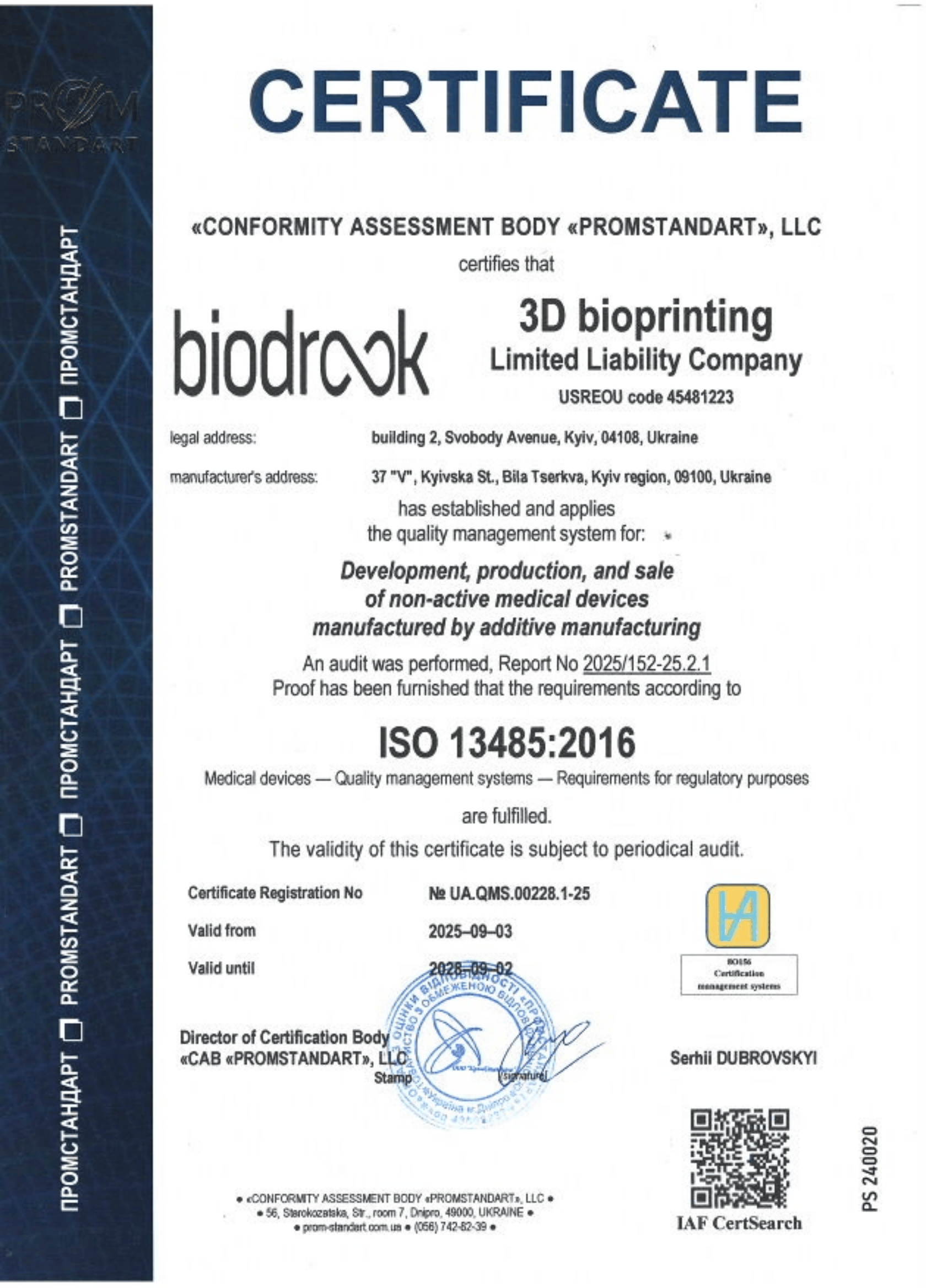
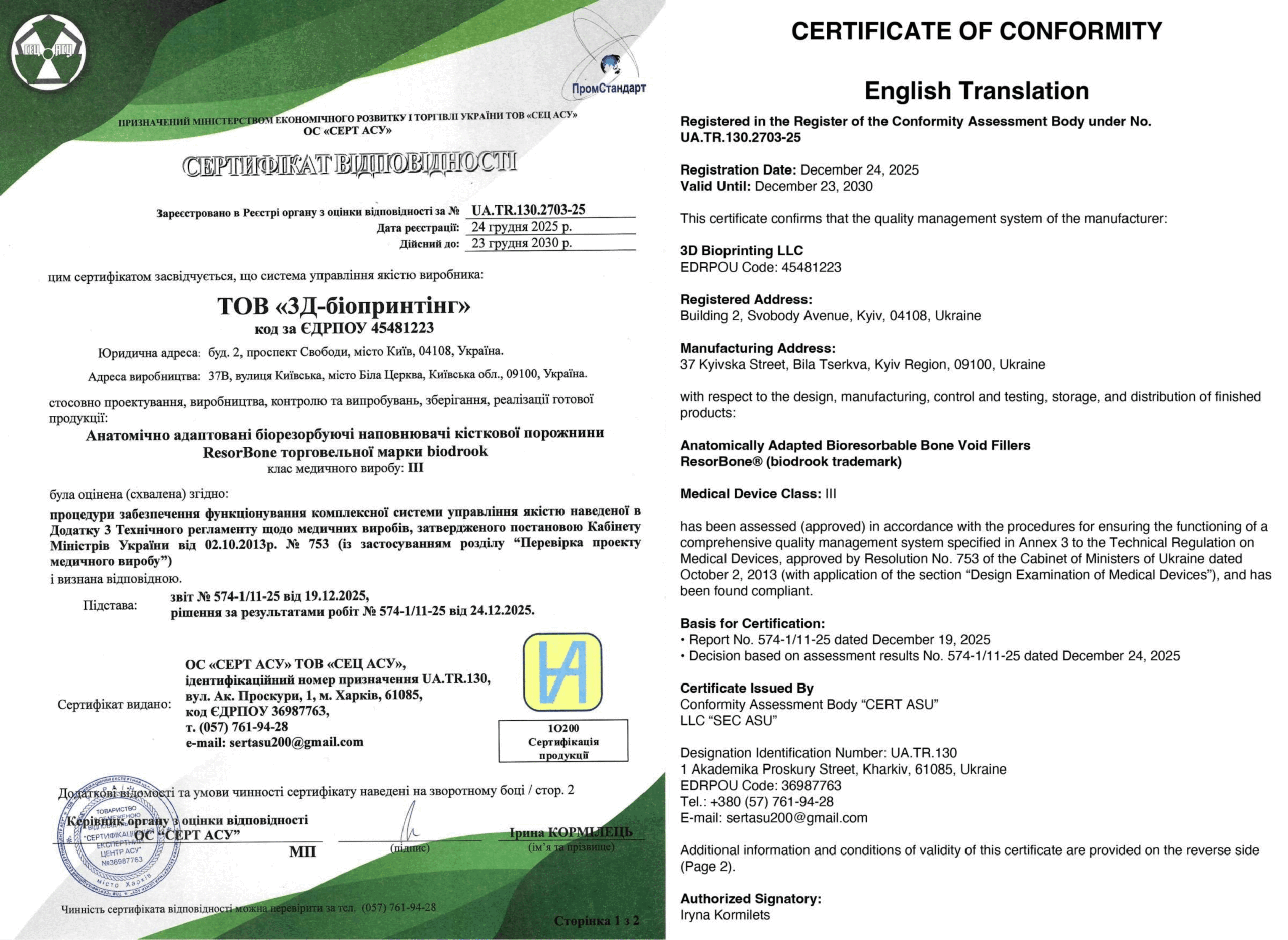
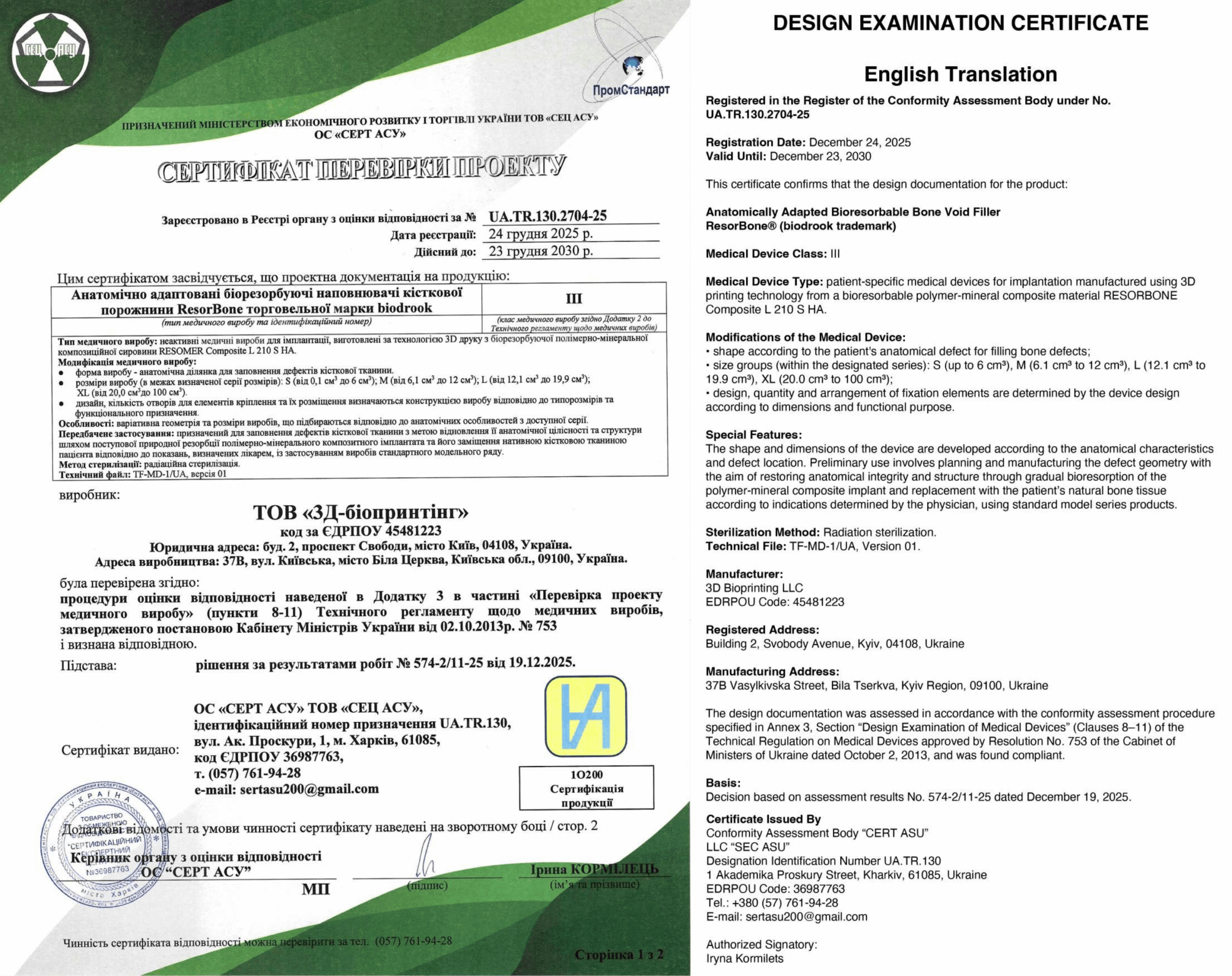
SCIENTIFIC SOURCES
Advances in 3D Printing of Surgical Guides
A detailed study of the accuracy and efficiency of 3D-printed guides in orthopaedic surgery.
Learn more →Advances in 3D Printing of Surgical Guides
A detailed study of the accuracy and efficiency of 3D-printed guides in orthopaedic surgery.
Learn more →Advances in 3D Printing of Surgical Guides
A detailed study of the accuracy and efficiency of 3D-printed guides in orthopaedic surgery.
Learn more →Advances in 3D Printing of Surgical Guides
A detailed study of the accuracy and efficiency of 3D-printed guides in orthopaedic surgery.
Learn more →
FREQUENTLY ASKED QUESTIONS
It is a modern 3D printing technology that creates individual implants based on a patient’s digital model. First, MRI or CT scans are taken; the data is then used to build a model, and only after that is the finished product printed. This gives the surgeon an implant that is a precise match for the specific clinical case.
The technology is especially valuable when standard implants do not deliver the expected outcome. This includes complex fractures with significant bone loss, resections after oncological surgery, congenital or acquired deformities, and repeat interventions following failed implantations. In such situations additive manufacturing enables a personalised solution to be produced within a short timeframe.
Biocompatible polymers and composite materials are used. They are not only safe for the body but also promote tissue regeneration. Some implants are gradually resorbed and replaced by the patient’s own bone tissue — functioning as a stimulus for natural recovery rather than a foreign element.
Yes. All materials are tested in accordance with international standards, including ISO 10993, confirming their non-toxicity and biocompatibility. In addition, every product undergoes sterilisation and internal quality control before being handed over to the surgeon.
Yes. In many cases surgeons combine additive manufacturing with conventional reconstruction methods — plates, screws or grafts used alongside the personalised implant. This approach improves structural stability and accelerates healing.
Service life depends on the material. Resorbable polymer implants are gradually replaced by the patient’s own bone tissue, while non-resorbable implants can function for many years. The key is correct material selection and clinical monitoring after surgery.
FREE CONSULTATION
Leave your email and phone number, and our specialists will contact you to discuss your needs, answer your questions and find the best medical 3D printing solutions.